
AREA Crac! (1975)
1. "L'elefante bianco" (4:33) Demetrio's powerful voice opens the album right in your face as he and piano declare their intentions. By the end of the first minute we've apparently heard enough from Demetrio for the song catapults into a kind of jazzy version of fast-paced folk theme. At 2:30 we return to piano and voice, but this time the band gradually joins in and builds up into a modern rock variation of that amphetamine-laced Middle Eastern-tinged folk (or is it classical?) theme. Excellent musicianship and a great opener. (9/10)
2. "La mela di Odessa" (6:27) opens with a kind of SUN RA-spacey free-form jazz sound and style, that moves quickly into a drum and percussion display before harpsichord, Arp synth and electric bass join in and move the song into structure and drive. Nice TONY WILLIAMS/MAHAVISHNU feel to this one until, after 3:10, things shift to funk land. The clavinet, synths and horns are prominent along with Demetrio's commanding Zappa-like vocal performance--all in spoken form. So tight! Drummer Giulio Capiozzo is extraordinary (as is Demetrio). (9.25/10)
3. "Megalopoli" (7:53) opens with some play on the Arp synthesizer before Demetrio joins in with multiple tracks of his voice free-styling. Electric piano and bass clarinet join in the atmospheric play before a drum roll takes us out and into a new funky jazz excursion with a great melodic base. Demetrio's wordless vocal scatting over the top is, at first, like a substitute for a lead guitar or sax, but then gives way to an extraordinary jam between drums, bass, electric piano, organ, and synth. The Mahavishnu Orchestra was never this tight or well recorded! Incredible drumming! Why is this guy never included in the talk of the greatest of the greats? (15/15)
4. "Nervi Scoperti" (6:35) Every time I hear this song I think I am listening to one of the all-time greatest prog fusion songs ever created and that, thus, it has to be a product of Corea/RTF, Miles, Mahavishnu, Cobham, Williams, Weather Report, or even a straight jazz genius. But it's not. It's AREA! Astounding, stupendous, incredible, jaw-dropping performances from everybody in the band. What a band! This one deserves extra-credit for being exactly what I said: one of the very best jazz fusion songs of all-time. (11/10)
5. "Gioia e rivoluzione" (4:40) opens like a JOHN COLTRANE, TEMPTATIONS or MAGMA song before switching radically to an acoustic guitar-based, countrified jam. The lyric of Demetrio's vocal throughout is obviously meant to be the center of attention. Otherwise, it is an okay pop song for delivery to the common folk. (8.5/10)
6. "Implosion" (5:00) a little more Zawinal/Weather Report-ish than the previous jazz fusion masterpiece. More melodic and showcasing of individuals (especially the extraordinary bass player, Ares Tavolazzi). (10/10)
7. "Area 5" (2:09) an ejaculatory expression of free-form improvisational jazz. (4/5)
An album of astounding musicianship--virtuoso performances that rival anything else the jazz or jazz fusion worlds has ever created. The amazing thing is that this album stands up perfectly even today--it sounds as if it could have been made today.
95.36 on the Fishscales = A/five stars; a true masterpiece of progressive rock music--mostly cutting edge jazz fusion. Amazing! Definitely one of my Top 10 Jazz-Rock Fusion Albums of prog's "Classic Era."

I received this album in the mail as the Columbia Record Club's "Record of the Month." I'd heard Santana's hits--even the long versions on our local album-oriented FM station, WABX--and I was already a big fan of Latin rhythms due to my dad's obsession with Herb Alpert & The Tijuana Brass and Sergio Mendes & Brazil '66--which he blasted on his stereo quite often in the late 60s. But I was not, by any means, prepared for what Love Devotion Surrender unleashed. Even when I saw McLaughlin and his double neck guitar with Mahavishnu Orchestra doing things that I didn't understand on Don Kirshner's Rock Concert later in the year I couldn't comprehend what I was seeing. I think this is why this album didn't quite click with me for a while. I listened to it--a lot (I didn't own many albums at this time--though I had a pretty hot Soul/R&B collection in 45s). I always thought that I was listening to two guitarists of two completely different levels of competency. I didn't know Coltrane or his works and had only begun to know some jazz and fusion but loved guitarists (Jeff Beck mostly), so I stuck with it.
After the 70s, the album pretty much fell off my radar. Until a few years ago, I don't think I'd heard it for over 30 years. Now I listen to it with a sense of awe and wonder. I feel so fortunate that we have this testament to the genius and inspiration of all of these masters in their peak years of adventurosity. Larry Young. Dougie Rauch. (Both taken from us far too soon--and both among my very favorite 1970s instrumentalists.) Billy Cobham. Don Alias. Michael Shrieve. Mingo Lewis. Jan Hammer.
The album (and my worship for John McLaughlin) even prompted my visit to Sri Chimnoy's vegan restaurant in Haight Ashbury the first time I ever visited SF.
Now I find myself listening to it multiple times per month. It is, to my mind, to my heart, one of the peak achievements in jazz-rock fusion collaborations. Yes, I wish I had more control of the sound mix (I want so badly to listen to JUST Dougie Rauch and JUST Larry Young and JUST Billy C.) but I'm just so fortunate to have it all that I won't complain. For people in the know, Larry's organ play magically provided a bridge between the two guitarists and their individual styles--with Larry's two hands somehow representing each one of the leaders. But this is difficult for the unschooled, ignorant listener to pick up due partly to the often poor mix of the individual instrumentalists.
1. "A Love Supreme" (7:48) a masterful condensed rendition of the Coltrane classic that does a great job of capturing the essence of the original while being elevated and celebrated by these two spiritually-infused guitarists. The opening alone does an amazing job of announcing what the listener is in for: not your typical Santana album! Organist Khalid Yasim (formerly known as "Larry Young") gets the honor of playing a little while the expanded band takes their time gelling and grooving. Then it's off to the races as John and Carlos take turns of about 10-to-20 seconds each in a noncompetitive duel of ascendent transcendence. The choral chant of the title begins in the sixth minute while Khalid gets another chance to show off his amazing skills. (14/15)
2. "Naima" (3:09) acoustic guitar duets don't get much more beautiful than this. Beautiful respite between the two bookends of Side One. (9.25/10)
3. "The Life Devine" (9:30) the drumming and percussion play on this one is alone worth the price of admission, but then you get John and Carlos--and Larry! and Armando and Mingo--and "the note"! (at the end of the fourth minute). The best engineered (though still lacking) and most fully-invested feeling song of the album. The band was obviously warmed up by this point--and the soloists on firing on all cylinders. (19.5/20)
4. "Let Us Go into the House of the Lord" (15:45) John's domination of the song's first four-minutes is a bit excessive (and selfish?) but he was probably just in "the zone." After this, the song just really kicks in with everybody just smooth-groovin' beneath and with Carlos--until the second half of the sixth minute when Khalid, Billy, Shrieve, and the percussionists start to play. When John re-takes the lead at the end of the seventh minute it is tasteful and only to open the way for Khalid to take off. What a solo! (Too bad his volume is mixed beneath that of the percussion and guitarists playing rhythm chords.) With all that Afro-Latin rhythm around him he probably couldn't help being inspired. It's not until well into the 12th minute that the two guitarists start "duelling" i.e. playing off one another--both displaying incredible moments of tenderness and melodic beauty in their still-fiery play. I really like the extended/prolonged ending. Not the best song on the album--nor the best sound engineering--but still a treasure for capturing these two at this particularly numinous point in both of their lives. (28/30)
5. "Meditation" (2:45) John on gentle piano chord play while Carlos expresses his profound inspiration and gratitude with a steel-string acoustic guitar. I simply can't find a flaw with this one--nor a reason to devalue it as less than a full, completed song composition. (10/10)
Total Time 38:57
I love the beautiful two acoustic pieces--especially John's "Meditation"--and "Let Us Go Into The House of The Lord" may just be my favorite jazz-fusion jam of all-time. And give me those Santana conga and bass lines all day long! I feed off of them!
I love the beautiful two acoustic pieces--especially John's "Meditation" and "Let Us Go Into The House of The Lord" may just be my favorite jazz-fusion jam of all-time. And give me those Santana conga and bass lines all day long! I feed off of them!
95.0 on the Fishscales = A/five stars; I have absolutely no reservations about proclaiming this album, flawed as it may be, a masterpiece of progressive rock music and a pinnacle and landmark of the Jazz-Rock Fusion "movement."

SBB Pamiec (1976)
Had I heard this or any SBB album in the 70s I might not have favored FOCUS/JAN AKKERMAN and RETURN TO FOREVER/AL DI MEOLA/CHICK COREA/STANLEY CLARKE/LENNY WHITE so much. This is perhaps the best match of emotion and virtuosic Jazz Fusion I've ever heard--and I do like this album more than the other three highly acclaimed SBB studio albums (1981's Momento z banalnym triptykiem and 1978's "Slovenian Girls"). Not so complex or complicated as to lose listeners but by no means simple or uniform, these songs are well composed and extremely well performed.
- Jozef Skrzek / grand piano, Fender electric piano, Hammond organ, Moog synth, bass, vocals
- Antymos Apostolis / guitars
- Jerzy Piotrowski / percussion
1. "W Kolysce Dioni Twych (Ojcu)" (9:07) the album's opener sucked me in from the opening notes like a PFM or RTF classic. Just beautiful music! And then it matriculates into an absolutely AWESOME groove at the 5:20 mark. (I love the subtle but masterful interplay of the instrumentalists during the minute before the guitar and vocal solos begin.) The switch at the seven minute mark saddened me, but then I was able to relax into it and enjoy. The drums are so tight! Keyboard work is fun! It segues back into a recapitulation of the beautiful intro section for the final 45-seconds with guitar and voice(!) leading the high register melodic notes. (19/20)
2. "Z Ktorych Krwi Frew Moja" (10:14) had almost the same effect on me as the opener: sucking me right into its emotional, melodic weave. The vocal, electric guitar, and background vocals at the one minute mark bring forth a beautiful hook. This B section returns until at 2:37 we have a subtle bass keyboard solo. The hypnotic mid-section supports an adequate guitar solo before everything slows down to a spacey FOCUS-like section at 6:55. RPI-like vocals at 7:35. Still AKKERMAN/VAN LEER-like guitar & organ background throughout. This one didn't reach the heights nor sustain it as dramatically as the opener (though the ending two minutes is stronger vocally) but it's still an excellent, emotional song. (18.75/20)
3. The album's side-long epic, "Pamiec w Kamein Wasta" (19:48) opens with synth "waves" and some very slow, subtly developing space music. It sounds like a prelude/interlude piece from the soundtrack of 2001: A Space Odyssey--the part where the evolutionary chimps are figuring out the use of weapons (leading up to Ricard Strauss' "Also Sprach Zarathustra"). Eventually the song evolves into a "Court of the Crimson King"-like song (especially the Michael Giles-like drumming). At 10:15 an ELP "Tarkus"-like section starts up before evolving into what sounds (incredibly) like a cross between EUMIR DEODATO's "Also Sprach Zarathustra" and a JEAN-LUC PONTY classic. Great fun following the drums, bass, keyboards, and volume pedal controlled guitar both separately and stepping back to hear the effect of the woven mix. AT 14:55 there is an shift into a more funky rhythm section to support a three-minute electric guitar solo. Not quite AL DI MEOLA but a very nice solo anyway. The next shift is into another chorale-led section (nicely displaying the drummer's prowess) that brings me back to a familiar PHAROAH SANDERS/GINO VANELLI feeling. Fade out is as it started: spacey keys and synth waves. Great song despite the divertissement section to support the lengthy guitar solo. (38/40)
Total time: 39:30
My CD version has two bonus songs, "Niedokonczona Progresja" (6:24) (9/10) and "Reko-reko" (4:31) (7/10), the first a slow piano-based song that builds slowly into a kind of TONY BANKS/ANTHONY PHILLIPSian piece (with some awesome frenetic synth soloing), while the second song starts out with the melodrama of a great GINO VANELLI song. Later the presence of a mouth organ makes it take on a little bluesy feel. I can see why theses songs did not make the cut for this album as they don't have the development of the other songs--they are in fact kind of one-dimensional, though still very melodic.
Based on the material presented on the original album this is in my opinion a very important 4.5 star contribution to the prog catalog. Essential, as it is, IMHO, the first SBB album that I would recommend to the curious listener.
94.68 on the Fishscales = A/five stars; a true masterpiece of jazz-rock infused progressive rock music; one that has earned its place in my Top 10 Jazz-Rock Fusion Albums of the "Second Wave" of prog's "Classic Era."

Recorded at the Record Plant in New York City in July and August of 1974, the world's introduction to guitar phenom Al Di Meola was released by Polydor in September.
Line-up / Musicians:
- Stanley Clarke /Bass, Organ, Percussion [Chimes, Bell Tree]
- Lenny White /Drums, Percussion
- Al Di Meola /Guitar
- Chick Corea /Piano, Clavinet, Organ, Synthesizer, Percussion
A1 "Vulcan Worlds" (7:51) The iconic song from the album with Stanley's slap bass and Tony's Billy Cobham-like drumming has Stanley, Chick, and Al playing with interesting sounds and effects on their lead-blistering instruments. The first real instrumental section starts at 2:10 with a brief Chick MiniMoog solo followed by an equally-brief bass solo before yielding back to Chick for an extended solo. At 3:30 Stanley takes the reins back for a few seconds as if to bridge/hand off to Al for an impressive solo in which he slowly builds up with a distorted sound toward some of his famous machine gun runs. But it is Stanley's solo in the fifth minute that really takes the prize, showing the world who's Number One. Chick and Al get the seventh minute--with Al revealing more of his prodigious talent. Then the band goes into a near-"Midnight Cowboy" melody motif to close out the song in the final minute. (14.5/15)
A2 "Where Have I Loved You Before" (1:01) the first of Chick's piano interludes sounds so Oscar Peterson-like (at least, they do to these untrained ears)! (4.5/5)
A3 "The Shadow Of Lo" (7:34) See: even jazz-rock fusionists can make beautiful laid-back music! The pace does pick up in the third minute but it remains constant in its commitment to melody and smoothness. Al and Chick both get plenty of chances to shine while Lenny and Stanley remain pretty steadfast in their duties as rhythmists. The final couple minutes sees the band picking up a funk theme that sounds like a variation on Rufus' "Tell Me Something Good." (14.25/15)
A4 "Where Have I Danced With You Before" (1:12) acoustic piano solo with a little acoustic guitar support. (4.5/5)
A5 "Beyond The Seventh Galaxy" (3:11) I love the full rock bass on this one as Lenny crashes away and Al and Chick fill the top. The opening themes are presented and carried forward by the trio of Chick, Al, and Stanley! Then Chick gets to fill the next section with multiple keyboards at once. Al gets a left channel solo in the third minute. (I hear a little of "Alice" in some of the melody lines coming out of Chick!) (8.875/10)
B1 "Earth Juice" (3:45) heavy rock-funk line with near-disco drumming and percussion accompaniment along with Chick's Fender Rhodes over which Al gets full leadership (despite Stanley's amazing bass play beneath and Chick's almost constant accents between Al's lines). Nice song though it is not my favorite sound to come from Al's electric guitar. (8.875/10)
B2 "Where Have I Known You Before" (2:09) Bill Evans-like solo piano: quite dramatic and beautifully melodic. The right hand might be a little more aggressive and dynamic than Bill ever gets, but it's still so beautifully melodic! (5/5)
B3 "Song To The Pharoah Kings" (14:21) the song opens with an extended MiniMoog-over-organ solo passage. At 2:10 there's a shift to a different palette of electronic keyboard sounds with the rhythm section of Lenny and Stanley (and Fender Rhodes and clavinet) joining in at the end of the third minute. A little tango-like rhythm pattern is established by Stanley and Chick, with Stanley maintaining the oscillating chord progression, while Chick takes the first solos. Lenny gets to impress in the sixth minute (man! is he awesome!) before Stanley steps to the front at the end of the sixth. Man! is he amazing! (As is Chick's support beneath). Al finally gets to step up after an awesome bridge in the beginning of the eighth minute, but it's a slow, Latin build through Chick's layers of keys that gets him there, finally, in the middle of the ninth minute--duelling with Chick's screaming MiniMoog until 8:50 when he finally gets the stage all to himself. He does not disappoint though some of his playing feels a bit soulless--a feeling that is only augmented by the very connected and dynamic performances of his three band mates beneath and around him. Chick gets rest of the tenth minute as Al moves into some pretty awesome rock rhythm guitar and Stanley and Lenny continue to fly around beneath. Wow! How could anyone possibly compete with this amazing foursome? The song plays out with everybody hitting their chords together while Lenny boisterously accents it all from beneath. The very final 30-seconds is as good as any of the other moments of the song with the incredible dexterity on display. Wow! (28.75/30)
Total Time: 41:24
To my ears and brain, the music on this album is a serious step up from that of the second RTF album. The debut album stands alone as a very nice Chick Corea project, but Hymn of the Seventh Galaxy is to me merely an attempt to emulate and compete with John McLaughlin and his Mahavishnu Orchestra. And who can blame Chick for this? Everybody else was doing it! And the Bill Connors quartet may have been the best at it, but the three Al DiMeola-staffed RTF albums present a sound and engineering step up into the realms of that of progressive rock music: clean, clear capture of dynamic instrumental performances throughout each and every song, start to finish; gone are the thin, watered-down soundscapes of Teo Maceo and David Rubinson; here are the vibrant soundscapes that Bruce Douglas envisioned with his 1969 work with Hendrix and John McLaughlin's Devotion (an album I much prefer to the early Mahavishnu albums). Here is the sound vibrancy and quality of Boston, Aja, and the computer/digital age beyond.
20-year old Al will get better (as we'll see on No Mystery and Romantic Warrior) but Lenny, Stanley, and Chick are definitely at the top of their game! And the compositions are simply perfect for these instrumentalists! Bravissimo!
93.95 on the Fishscales = A/five stars; an incontrovertible masterpiece of prog-rock-satisfying Jazz-Rock Fusion; one of the shining moments of the apex of the movement.

- Chris Hinze / producer, writing, arrangements, flute, alto flute
- Rob Van Den Broeck / piano, grand piano, electric piano, soloist
- Jasper Van 't Hof / piano, electric piano, soloist, organ
- Henny Vonk / vocals
- Jan Huydts / piano, grand piano, synthesizer, soloist
- Philip Catherine / acoustic guitar, electric guitar
- Gerry Brown / percussion, drums
- John Lee / bass, writing
- Robert Jan Stips (Supersister, Golden Earring) / organ
1. "Skyrider" (8:28) a song that opens with Jan Huydts' piano playing (with synthesizer strings supporting) a variation of the second movement (Adagio sostenuto) of Sergei Rachmaninoff's 1900–1901 Piano Concerto No. 2 in C minor, Opus 18, a song that classically the trained composer (and son of a world class orchestra conductor) would have been intimately familiar with. (The Raspberries' Eric Carmen's would make an international hit song, called "All By Myself," based upon the same theme. Perhaps Eric heard Chris's version, though it is far more likely that he picked it up from his music studies with his Aunt Muriel who was a concert violinist with the Cleveland Orchestra when it was under the direction of George Szell--who had built "the world's greatest symphonic instrument" ªº.) Anyway, at the end of the first minute, the song jumps into a long (90 seconds) proggy segue into an "electric" orchestra symphonic bridge (which sounds tremendously like something fellow Dutch band FOCUS had done or would do), which ultimately empties out onto an RETURN TO FOREVER-like funk-jazz showpiece for instrumental virtuosity. Philip Catherine gets one of the first solos while John Lee and Gerry Brown provide a very Stanley Clarke-Lenny White-like foundation speeding along beneath. All the while, composer Chris Hinze's flute is buried a little into the mix, giving it the feeling/effect of being a supportive thread in the large tapestry being created. In the sixth minute Chris's flute is moved to the front while Philip's stll-raging electric guitar soloing is moved back into the far background (but you can still hear him!) A Chick-Corea-like electric piano is right there on the right side, supporting, embellishing, and encouraging the others. Man! That segue in the eighth minute is intense--and so well played!
Total Time 43:45
93.75 on the Fishscales = A/five stars; a full-blown, indisputable masterpiece of peak era Jazz-Rock Fusion. HIGHLY RECOMMENDED! The whole world should know this album!

MAHAVISHNU ORCHESTRA Birds of Fire (1973)
The nearly-universally acclaimed peak of Jazz-Rock Fusion, it was only the Orchestra's second studio album. The band was still fresh, still inspired, not yet road-weary and spiritually exhausted by Mahavishnu John's uncompromising rule and order. The album was recorded in August of 1972 in sessions at CBS Studios in New York City and Trident Studios in London, England, and then released by Columbia Records on March 26, 1973.
Line-up / Musicians:
- John McLaughlin / guitars
- Jan Hammer / piano, Fender Rhodes, Moog
- Jerry Goodman / violin
- Rick Laird / bass
- Billy Cobham / drums, cymbals, percussion
1. "Birds of Fire" (5:41) gongs and tightly fingered guitar and keyboard arpeggi open this, a two-chord major/minor flow, over which the virtuosi take turns expressing their pent-up energies with pyroclastic displays--John McLaughlin taking up more of that solo time than the others. Sometimes it's the instrumental play of the artists on "standby" that impress as much as the front-and-center man, but it's always the multi-player mirrored solos, like the fifth minute here, that impress the most. (9.25/10)
2. "Miles Beyond" (Miles Davis) (4:39) bluesy-jazz from Jan Hammer's keys open this one before the funk bass and drums join in. Jerry Goodman and the Mahavishnu take the first turn at expressing (Mile's) melody line before a stripped-down gap of Fender Rhodes support allows Goodman an odd pizzicato violin solo. Ramping back up into full-band repetition of the six-chord progression, John and Jerry take turns unleashing their demons--performing at the end in tandem. Not my favorite song melodically but the musicianship cannot help but impress. (8.75/10)
3. "Celestial Terrestrial Commuters" (2:53) The drumming and keys are so tight but this is one of Rick Laird's more impressive displays. It is remarkable that Jan Hammer can maintain the rhythmic support on the Fender Rhodes while also joining in on the triple-enunciation runs of such fast, fluid lines with the guitar and violin. (9/10)
4. "Sapphire Bullets of Pure Love" (0:22) a sudden cacophony of electric sounds produced by all of the musicians flailing away at once.
5. "Thousand Island Park" (3:19) opening with a Baroque-classical feeling--played on all-acoustic instruments! Rick's loud double bass being the only offset to the tight weave between piano, steel-string acoustic guitar, and violin. Feels very much like the inspiration for RTF's "Medieval Overture." Nice! (9.25/10)
6. "Hope" (1:55) a cool, tension-filled piece that is brief but very powerful; like an antithesis to the album's final song, "Resolution." This song could/should have been expanded into something bigger. (5/5)
7. "One Word" (9:54) Billy Cobham's amazing drumming open this one before the band join in with a couple ominous deep chord progressions. Things quiet down at the end of the first minute, but then what sounds like a freight train barreling out from behind a desert mountain comes speeding at us before arriving to settle into a DEODATO/WHO-like funk rhythm pattern within which Rick Laird gets the first solo. I love the way the rest of the virtuosi support with wild flourishes of their pent up energy, all the while Billy (and amazing rhythm guitar) just keeps the train rolling along at top open-road speed. When Rick falls back into the rhythm flow, his lines are as flawlessly impressive as Billy's. In the meantime Jan, Jerry, and John take turns spitting out quick licks from their instruments until at 5:50 they can no longer abide by the turn-taking rule. But then Billy jumps in to stop them as he launches into a solo that just gets jaw-droppingly more and more complex as it goes on. After two minutes Jan and the others try to push back into the mix but only after the third minute is over does Billy finally lets the others back in. From there it is four person sprint to the end. Who won this one? I have to give it to Billy. (19.5/20)
8. "Sanctuary" (5:01) a serene yet surprisingly-disturbing song to follow the frantic pace of the previous ten minutes. Great slow-developing melodies over Billy's punctuating drumming and a some awesome Minimoog play from Jan Hammer. Feels unresolved at the end: remitting and surrendering. (9.5/10)
9. "Open Country Joy" (3:52) opens like some happy-go-lucky song coming out of a Grateful Dead jam--from one of their good trips. Violinist Jerry Goodman is particularly central to the "country" melody in the opening minute, but then there is this terribly confusing, long pause, out of which the full band bursts with unbound passion and energy, flying through their solos (and collective bridges) with unheard-of speeds. At 2:40 we slow down and once again fall into that devil-may-care "Afternoon Delight" space. Very interesting song. (9/10)
10. "Resolution" (2:08) One of my all-time favorite Mahavishnu songs, I know it's just a continuous chord progression over which John, Jerry, and Jan climb chord by chord to the top of their scales, but it's so beautiful: an étude we would all love to have recorded. (5/5)
Total Time 39:44
It took me a long time to really like the funk-oriented or screaming guitar work of early jazz fusion artist John McLaughlin. His sound, his speed and emotion awed me, but I never found myself really liking it--until the sound smoothed out in the collaboration with Carlos Santana, when Stanley and Al joined RTF, when Jean-Luc and Narada Michael Walden came to join the later incarnation of Mahavishnu Orchestra. Again, I attribute this phenomenon to my untrained ears--I was too young and inexperience to be able to take in all of the notes--"too many notes" the Emperor says in Amadeus. Well, as a thirteen and fourteen year old, I definitely had the mushy, malleable brain and sensibilities of Emperor Joseph II. "There are just so many notes that the human ear can tolerate in the course of one sitting" (paraphrased and adapted to this particular situation). Now as I listen to this music I am awed but at the same time I am enjoying the music, the collaborative, instinctual journeys each musician is prodded and provoked to explore due to their companions' virtuosic daring. At the same time, there are some songs on the album that are not up to the standards of quality sound recording that I've come accustomed to--especially with regards to the keyboards and guitar (or perhaps it's just over use of distortion). The highlights for me are not when the individual musicians are trading machine gun insults but when the whole band are working a melody/riff together. As Inner Mounting Flame announced the arrival of a new form of music, Birds of Fire showed resoundingly that this music was real, was not going away, while also perfecting it, thus making it a masterpiece of jazz fusion and one of its shining representatives to the world of progressive rock music.
93.61111 on the Fishscales = A/five stars; a shining masterpiece of Jazz-Rock Fusion--one that fully expresses the many variables and influences available to J-R Fuse artists. Not only a landmark album for the sub-genre but probably one of THE most influential albums of any genre on future music and musicians. For me this is definitely a Top 20 Jazz-Rock Fusion from the "Classic Era," however, it is not an album that earns a place in my list of "Top 20 Favorites."

Line-up / Musicians:
- Gianluigi Di Franco / lead vocals, flute, small percussion
- Corrado Rustici / lead guitar, recorder, flute, vibraphone, vocals
- Giulio D'Ambrosio / electric saxophone (contralto & tenor), flute, vocals
- Antonio Spagnolo / bass, 6- & 12-string acoustic guitars, pedals, recorder, vocals
- Remigio Esposito / drums, vibraphone
1. "Canto del Capro" (6:29) opens with three minutes of weird, creepy psychedelia before establishing a fairly fast- paced psych rock song. The musicians are performing very tightly, at a very high level of competency. The dissonant flutes, guitar plucks, and reverse electric guitar over long, steady Mellotron chord progression are so fresh and creative. An odd but brilliantly inventive song. Brave youths! (9.5/10)
2. "Trittico" (7:19) opens with strong vocal sung over electric guitar arpeggi, trading the lead with flutes and vibes. Again, such an unusual and inventive foundational sound and construct! Guitar harmonics takes the lead in the third minute before vocal effects project the singers' voices to be in several places in the sound. Then, suddenly, at 3:06 the band kicks into high gear with rapid fire lead guitar licks, drum flourishes, sax, bass, and vocal stepping into the oddly-timed pace. Everything drops back into pastoral pace at 4:20--though lead guitar is playing his arpeggi at a much faster (William Tell Overture) speed. These guitarists are so talented--moving in and out of time signatures, in and out of acoustic and electric sections, in and out of strumming and picking. The song has a very odd fade-in and fade out closing of "la-la-la" drunk men's vocal chorus. Amazing song! (9.5/10)
3. "Euterpe" (4:32) opens with acoustic guitars and recorders before vocalist. I love the vocals of Gianluigi di Franco because they feel so common and relaxed, not forced or operatic or melodramatic. This song is John McLaughlin-inspired Corrado Rustici's breakout song--the one that lets us know just how fiery his lead style is. And yet, the fact that he has held back (or been held back) over the first 14-minutes of this very adventurous, very experimental album, just let's me know how band-oriented and non-ego driven this young man was. (9.5/10)
4. "Scinsione (T.R.M.)" (5:43) Probably the weakest song on the album, but still exploratory and innovative, not straightforward at all, it just doesn't have the beauty, surprise- or wow-factors of the previous songs. The sustained, almost-droning synth occupying the background throughout (and then climbing to the fore in the final minute) is absolutely brilliant--as is the multi-tracks of Corrado dueling with himself at the end. (9/10)
5. "Melos" (4:58) Vibes, slow acoustic guitar picking, gentle voice is soon joined by Pete Giles-like drumming, flutes to make for a gorgeous if slightly King Crimson-like song. The interplay of multiple vocalists in the second minute is cool. The two-guitar interplay that follows with singing over the top is a little awkward, but the cacophonous buildup that follows with Corrado's blistering, bluesy guitar soloing over thick mix of saxes and Mellotrons is awesome. (9.5/10)
6. "Galassia" (5:48) opens with cymbal play soon joined by distant flutes, guitar picking and voices. By the time the one minute mark arrives the soundscape had moved more forward--except for the vocals that soon ensue--which remain in the far background. Drums, guitars, flutes, even Mellotron are all forward of the voice. Vibes and electric guitar take turns soloing over the acoustic guitar pretty picking--until voice and Mellotron jump in to declare their messages. At 3:25 everything drops out for a brief vocal section before a heavy, frenetically paced instrumental section comes crashing in. This insistent, crazed weave seems to creep steadily forward even till the end. (9/10)
7. "Affresco (1:11) is an adventure into space and effects with vocal, flutes, and picked guitars weaving together over the top--the most forward presentation of sound on the album! Surprise and flawless. (9/10)
93.57 on the Fishscales = A/five stars; a true masterpiece of proggy Jazz-Rock Fusion music and one of my favorite albums from the classic period of RPI.

MAHAVISHNU ORCHESTRA Apocalypse (1974)
After John McLaughlin's failed attempt to keep the original Mahavishnu Orchestra placated and nurtured, he went to Carlos Santana and found new inspiration. Add in a mix of musicians who couldn't wait to play with him--including the violinist he'd hoped to have for his first incarnation of the Mahavishnu Orchestra--and a new hope arises for a new version of his ground-breaking experiment in power jazz-rock. Add to the mix the London Symphony Orchestra and we have the makings of something very interesting. Recorded at AIR Studios in London in March of 1974, this George Martin-produced album was released in April.
Line-up / Musicians:
- John McLaughlin / guitars, vocal composer
- Gayle Moran / keyboards, vocals
- Jean-Luc Ponty / violins (electric & baritone electric)
- Ralphe Armstrong / bass, double bass, vocals
- Michael Walden / drums, percussion, vocals, clavinet (?)
With:
- London Symphony Orchestra
- Hugh Beau / orchestra leader
- Michael Tilson Thomas / piano (2), orchestra conductor
- Michael Gibbs / orchestration
- Marsha Westbrook / viola
- Carol Shive / violin, vocals
- Philip Hirschi / cello, vocals
1. "Power of Love" (4:13) descending piano chords are soon joined by horn/wind section of orchestra sounding very cinematic. Classical guitar joins in around the one-minute mark and then Jean-Luc Ponty's heavily-treated electric violin as the orchestral strings swirl around the individual soloists quite magnificently, repeating the same ascending melody line. Sounds like a dream come true: guitar, violin, and piano power trio with London Symphony Orchestra. Wow! So beautiful! I could/should loop this on an eternal repeat! (10/10)
2. "Vision Is a Naked Sword" (14:18) crescendoing cymbals precede an ominous bowed-bass intro over which dynamic drumming of Narada Michael Walden joins in. At the 1:25 mark the horn-led full orchestra joins in spouting out a continued ominous chord progression. It's furious and powerful, it's bold and beautiful. Then things settle down in the fourth minute for a bit while Jean-Luc begins his time up front, but the orchestra swells again before dropping off, leaving an open space that drummer Walden gladly fills. A whole-band primordial soup then ensues in which all of the individuals are arpeggio-riffing with no apparent coherent goal until the Orchestra jumps in and starts doing its own version of arpeggio riffing, trampling over the individual soloists for a bit. In the middle of the seventh minute the two sides (orchestra and individualists) seem to reach a balance as all members' inputs are being heard. The eighth minute unveils a surprising change of pace and motif as playful bass and very playful funky rhythm guitar establish the grounds for Michael and Jean-Luc to play over. It's one big happy playground! Since there is so little egocentric flash and flare here, this makes me think that this is quite possibly the best Mahavishnu composition I've ever heard. John's interesting muted "rhythm lead" guitar is given the front for the tenth and eleventh minutes before teaming up with Jean-Luc and Gayle to release a spray of bullets in tandem before the orchestra jumps in to take over. But then, at 12:50, the rock band takes over gelling in a cool weave of fertile soil over which the Orchestra rises to the front as the soloist! The finish is typical Mahavishnu flare but it's brief and conclusive. A surprisingly egalitarian composition! (28.5/30)
3. "Smile of the Beyond" (8:00) Gayle sings in her beautiful operatic voice with the accompaniment of the London Symphony Orchestra for the opening four minutes. It's quite lovely if a little protracted! Then, as if another song, the band launches into a very pop-sounding rock form built around the melody of Gayle's vocal (which is continued internittantly in the background by a Gayle Moran-led choir), guitar, drums, bass, and violin all firing at high speed. But then, in the seventh minute, the rock elements disappear whereupon Gayle and the LSO return as the sole musical elements to the finish. Interesting blend; I'm not sure it worked, overall. (13.125/15)
4. "Wings of Karma" (6:06) full orchestra (mostly strings) takes the first two-minutes before the Fender Rhodes-led chords introduce a moderately-paced song form, but then when everybody in the Mahavishnu Orchestra joins in it becomes a very odd almost-disharmonious mix of incongruous playing--almost as if every individual is flying off in their own directions with little guidance or adherence to the keyboard pace and melodies. The instrumentalists are all very impressive (especially, I have to say, the young drummer), but I'm not sure it all works--this despite the song's title. The band once again drops off in lieu of Michael Tilson Thomas closing out the song with an all-orchestra finish. Not my favorite. (8.75/10)
5. "Hymn to Him" (19:19) a pretty orchestral opening is blended (finally!) with the rock and electric instruments from the very beginning--which is the way it should be--with the rock quintet emerging with the song's dominant form only in the fourth and fifth minutes, finally establishing ascendency at 5:10. The way the orchestra has been interwoven up to this point in a give-and-take kind of way is absolute perfection--nothing short of amazing! The barrage of instrumental fireworks (from John and Michael, at first, with a little craziness from Ralphe Armstrong, then Jean-Luc in the eighth minute) that ensues is is nicely balanced by Gayle's patient Fender Rhodes chords and occasional LSO flares. In the seventh minute John produces an absolutely amazing rock guitar solo. At the eight-minute mark, however, there is a total changeover into what feels like an orchestra-less jazz-rock motif. This is nice, with Gayle's Fender Rhodes getting some lead time and John's eccentric electric wah-ed guitar strumming in support in their usual fascinating way. (The man is truly an unheralded genius at accenting rhythm guitar support.) Ralphe gets the next extended solo in the tenth and eleventh minutes--a solo that seems to just keep on going even when Jean-Luc takes over in the front-and-center position.
At times on this album it feels as if Jean-Luc is convinced that he needs to come from more of a blues-rock orientation. This is unfortunate because, in my opinion, he is much more noticeable and effective as a melodic rock soloist. Anyway, he does get some stunning firecrackers in--especially in opposition to John's machine gun Roman candle spray. And I love how the drums and bass pick up the pace in the fifteenth minute! But then the LSO jump back into the mix (to great effect) as the rest of the jazz-rockers try to keep their barrage flowing. It seems that only Michael Walden and Jean-Luc Ponty are willing to stay the course--until the 17-minute mark when the fleet reaches the calmer waters of the port bay--at which time they unleash some beautifully-ecstatic bursts of celebratory sounds as the orchestra slowly cradle them into port.
A brilliant if still not perfect composition. I really think the blend of the two orchestras here is not only some of the best I've ever heard between jazz or rock band and symphonic orchestra but incredibly inter-supportive with stunningly-beautiful melodies coming from multiple fronts. (37.75/40)
Total Time 51:56
I found it very comforting and reassuring that John did not feel the need to jump out of the blocks with bullets spraying--that the first song, "Power of Love" showed the kind of restraint and beauty that can only come with serene confidence; this just let me know that this time around using the Mahavishnu Orchestra moniker--this "incarnation"--he was feeling far less need to impress. But then, as the album plays on, I find myself tiring a bit of the LSO-Mahavhisnu-LSO format used by all of the songs. I know you have to get your money's worth of such an esteemed group as the LSO (and Michael Tilson Thomas), and I don not mean to belittle the orchestra arrangements and performances: they're amazing--but I really am surprised at the fact that the Mahavishnu Orchestra gets only about 50 percent of the album's 52 minutes. Also, as impressive as Michael Walden's skills are, he is, for my tastes, a little too cymbal-happy (not unlike my major complaint of Who drummer Keith Moon). Perhaps if the cymbals weren't mixed so high as to shade some of the band's other sounds it wouldn't be so annoying. And then there's the fact that John's acquisition of his "dream" partner in violinist Jean-Luc Ponty results is so little front time for the fiddle master. Too bad. At the same, I do call this my favorite Mahavishnu album. I really love the experimentalism of the next album, Visions of the Emerald Beyond--on which Jean-Luc has far more face time and Michael less temerity--and I've always felt a little "left out" or put off by the machine gun showmanship of the first two (three counting the live Eternity album). On Apocalypse, there's just something comforting about the cushioning that the LSO provides.
93.45 on the Fishscales = A/five stars; a true masterpiece of jazz-rock fusion and what I consider the Mahavishnu Orchestra's best album of finely-crafted fusion songs. For me this is definitely a Top 20 Jazz-Rock Fusion from the "Classic Era," but more, it is an album that also earns a place in my Top 10 "Favorites."

- Jukka Hauru / guitars
- Jukka Linkola / piano, synthesizers
- Esa Kotilainen / string synth
- Heikki Virtanen / bass
- Tomi Parkkonen / drums
- Teemu Salminen / flute, saxophones, clarinet
With:
- Pekka Pöyry / soprano & alto saxophones (1, 2)
- Pekka Pohjola / bass (1, 2)
1. "Enema Syringe" (5:45) what opens as a full minute of displaying MAHVISHNU ORCHESTRA fire turns RETURN TO FOREVER at 1:20 with the introduction of the MiniMoog. At 1:45 then it sleakly slides over into pure JAN AKKERMAN territory before morphing magically into LARRY CORYELL and then GEORGE DUKE to JOE ZAWINUL-led WEATHER REPORT for the finish. The accompanying bass, drums, and keyboard playing is nothing short of miraculous! Amazing! Even if it is a bit imitative and even plagiaristic, this is pure Jazz-Rock Fusion perfection! (10/10)
2. "When I Met My Wondergirl" (8:52) beautiful and spacious LONNIE LISTON SMITH-like Cosmic Music with some awesome JAN AKKERMAN-like tone and feeling up top, mixed with the piano, sax, and bass (this latter grâce à the addition of Pekka Pohjola). The exposition takes a long time of stop-and-go before finally settling down into a fairly straightforward flowing "ballad" in the fourth minute. Just following the work of the two bass players is pure bliss--such a humbling joy! (19/20)
Total Time 38:50
93.19 on the Fishscales = A/five stars; a masterpiece of fully-formed, superlatively-engineered Third Wave Jazz-Rock Fusion. I feel so lucky to have been allowed to know this music!

AREA Arbeit Macht Frei (1973)
Line-up / Musicians:
- Demetrio Stratos / lead vocals, organ, steel drums
- Gianpaolo Tofani / lead guitar, VCS-3 synth
- Patrizio Fariselli / piano, electric piano
- Victor Edouard ('Eddie') Busnello / sax, bass clarinet, flute
- Patrick Djivas / bass, double bass
- Giulio Capiozzo / drums, percussion
2. "Arbeit Macht Frei" (7:56) (13.5/15)
3. "Consapevolezza " (6:06) The grooves laid down in "Consapevolezza" at the 1:25 and 2:15 marks are among the prettiest I've ever heard. (10/10)
4. "Le Labbra del tempo" (6:00), and the ever-so smooth (9.5/10)
5. "240 chilometri da Smirne" (5:10) deposit, IMHO, some of the tightest, most enjoyable jazz/ jazz-rock grooves of the 60s or 70s. All performers test the creative boundaries of their respective means of expressivity--the LEON THOMAS-like voice experimentations of Demetrio Stratos, the guitar play of Gianpaolo Tofani, woodwinds, keys, the jaw-dropping bass play of Patrick Djivas, and, especially, drumming of Giulio Capiozzo, are all "out there." (10/10),
6. "L'abbattimento dello Zeppelin" (6:45) leans heavily toward the avante garde, the center four songs. I absolutely LOVE the lore around this song: that the band was asked during a live performance in some pub bar to play some Led Zeppelin. Knowing no Led Zeppelin songs, the band launched into an improvisation based loosely on what they'd heard of "Whole Lotta Love," it got recorded, and then tagged onto the end of this album! (9/10)
The mixing and recording of this album are amazingly clear and balanced for a 70s record.
Having loved the vocal talents and stylings of Leon Thomas for many years, I was immediately into Demetrio Stratus's singing. Such emotion and passion! As if his soul is on fire! Without question a masterpiece of progressive music if ever there was one! The only direction of improvement needed is in the area of sound recording and reproduction (and that will come).
93.08 on the Fishscales = A/five stars; a landmark album for Italian, European, and world music as well as for Jazz-Rock Fusion; Definitely a Top 20 Favorite Album from J-R Fuse's "Classic Era."

- John Goodsall / electric & acoustic guitars, sitar, backing vocals, effects
- Robin Lumley / piano, Fender Rhodes electric piano, autoharp (5), clavinet, synthesizers (Minimoog, ARP Odyssey, Roland String), backing vocals, effects
- Percy Jones / bass, autoharp (7), marimba (8), effects
- Phil Collins / drums, lead vocals, piano (3), effects
- Morris Pert / percussion
1. "Sun in the Night" (4:25) with John Goodsall's sitar and an overall Indian feel (including melodic chant vocals from Phil, John, and Robin), the band start off with quite a BEATLES-like tribute. I actually like this song quite a bit. (8.875/10)
2. "Why Should I Lend You Mine" (11:16) the BEATLES-like sound palette is somehow continued despite the more-African Jújù guitar and Percy's free-floating fretless bass. Allan Holdsworth-like guitar in the center lead is cool but then it is followed by a pretty cool NOVA Vimana-like "jungle mystique" passage in which everybody's sound contributions are very quite and subdued: more mood-influencing than virtuosic or flashy-demonstrative. (They're trying to replicate the awesome harp & percussion interlude in the middle of YES' "Awaken.") At 8:30 the individuals begin to ramp up their volumes and with John making some AL DI MEOLA/CORRADO RUSTICI-like runs before the song starts to decay and rest again. Despite it's Vimana-"Awaken" references, I absolutely love this song! (Probably cuz I love Vimana and "Awaken.") (19/20)
4. "Hate Zone" (4:41) on this somewhat funky tune John and Percy try their best to replicate the funky sounds that JAN AKKERMAN created on his two 1976 releases. (9.125/10)
Total Time 49:32
92.98 on the Fishscales = A/five stars; despite its imitative nature, this is definitely a masterpiece of Third Wave Jazz-Rock Fusion; Moroccan Roll is a far-better album than I ever gave it credit! It just took two years of submersion into the world of "classic era" Jazz-Rock Fusion for me to be better able to appreciate it!

ARTI E MESTIERI Tilt - Immagini per un orecchio (1974)
Line-up / Musicians:
- Luigi "Gigi" Venegoni / electric & acoustic guitars, ARP2600 synthesizer (8), co-producer
- Beppe Crovella / acoustic & electric pianos, ARP2600 & Eminent synths, Mellotron, Hammond organ
- Giovanni Vigliar / violin, vocals, percussion
- Arturo Vitale / soprano & baritone saxes, clarinet & bass clarinet, vibraphone
- Marco Gallesi / bass
- Furio Chirico / drums, percussion
1. "Gravità 9,81" (4:05) opens the album with an energetic burst before backing off to allow for an almost chamber strings intro. At the one minute mark everybody in the band jumps into a fully-formed JEAN-LUC PONTY-sounding song of high speed, tight sequencing of high complexity, and very catchy melodic presentation with violin in the lead. At the two minute mark things break and shift to a slightly slower tempo a different structure as the bass and saxophone become more prominent. Amazing drumming throughout and nice presence of Mellotron in the background. At 3:40 we return to the violin theme of the second minute for the finale. Tight song of melodic and instrumental perfection. (9.5/10)
2. Strips (4:39) drum kit and piano and synth bass line open this before the 'tron and violin enter and the drums kick into full gear. Saxes enter later with a second melody introduced into the weave. After 90 seconds things stop and restart with vocals! Multi-voiced, gentle, even sappy--as acoustic guitars, xylophone, and Mellotron accompany in a gentler fashion than the previous section. At the three minute mark the vocals end and piano, violin, xylophone and acoustic guitar take turns with the melody in between singing sections while drums and bass support in a kind of staccato way for the final two minutes of the song. Unexpected and nice! (9/10)
3. Corrosione (1:37) opens with Mellotron strings before bass, keys, and cymbals crash in with two-stroke pattern over which roto-toms and sax. It turns out that this song is merely a bridge between "Strips" and "Positivo / Negativo" as both songs bleed into each other. A kind of three-chord experiment over which drummer gets to play and sax and keys hold down the melody and chordal structure before going into: (4.5/5)
4. "Positivo / Negativo" (3:29) opens with slow, forceful single-stroke strums of a 12-string guitar accompanied by congas. Violin, synths, cymbal play and vibraphone join in. The tempo shifts a couple of times as vibraphone takes a brief turn at lead until at 1:40 things stop, new keyboard instrument takes over the "strum" of the guitar as rest of band jumps it at breakneck speed to allow shapeshifting extravaganza of solo-turn-taking--saxes, violin, electric guitar, vibes, and then all in unison!--and this while the bass and drums are terrorizing the rhythm tracks beneath. Wow! Impressive! (9.5/10)
5. "In Cammino" (5:36) opens with some beautiful slow sax and, later, vocalise melody-making with piano and brushes providing some support. At 1:45 there is a stop as piano and electric piano provide a pretty bridge into a new section in which full band supports violin and sax dual lead melody establishment. Frequent stops, breaks, tempo and stylistic shifts follow though the busy bass, drums, and keys remain at the foundation of it all throughout. Nice electric piano and electric guitar soloing in the fifth minute. Man, this band is tight! J-RF doesn't get much better than this! (9.5/10)
6. "Farenheit" (1:15) opens as if a little piano interlude ditty, but after the first run through the piece, seconded by sax, and then full rhythm section for the third, and sax and violin for the fourth and fifth. (4.25/5)
7. "Articolazioni (13:24) opens a bit like something from PFM's Per un amico, slow and exploratory, not ready to commit to full song but willing to play around with a theme. At the one minute mark there is a pause before the band kicks into a mid-tempo, full band jazz-rock exposition with violin, sax and electric guitar providing the melody in triplicate. Music shifts behind speeded up, frenetic drums yet slowed down bass and keys while violin, sax, and guitar take turns teaming up or independently carrying the melody forward. At 2:46 there is another break before soprano saxophone restores the melody while drums and bass provide a slow, sparse, stoccato accompaniment. At 3:17 a cool drum roll across the toms signals a new full-on dynamic commitment, but this is short-lived as a lot of shifts and transition/transformations occur before a slightly more straightforward (Brian Auger-like) singing section begins by the end of the fourth minute. Cool tension in the transition at the 5:00 mark and thereafter--a kind of preview of BRUFORD/UK-ishness. Speaking of which, man is this drummer amazing! soft and loud, subtle and intricate, fills and cymbal work that have blinding speed, and always in command as the staunch time-keeper. Very cool instrumental sections broken up by brief vocal sections play out with lots of vibes, 'tron, violin and sax in the lead. One neat thing about this band seems to be that the lead instrument is always propelling the songs' melodies with very detailed, intricate, and often-doubled up melody lines and that the actual "solos" are actually very few and brief. At 10:30 there is a big downshift in both tempo, delicacy, and mood with vibes and violin establishing the melody while drums do all kinds of wildly impressive subtleties before sensitive singing enters. At l1:45 band amps up for the full exposition of the current melody before 'tron and flanged strummed electric guitar guide us into a kind of GENESIS "As Sure as Eggs Is Eggs" finale. Great song with dazzling but never over-the-top or overwhelming complexity, constant beauty in the melodies. (24/25)
8. "Tilt" (2:29) an exercise/étude in synthesizer weirdness--including special effects being applied to saxophones and violin. Not exactly melodic or very memorable, it is a fitting representative of the infatuations that new technologies must have been causing adventurous musicians in the early 1970s. (4/5)
Total Time 36:34
92.81 on the Fishscales = A/five stars; a true masterpiece of jazz-rock fusion from the classic era of Rock Progressivo Italiano that exists as one of my Top 10 Favorite Jazz-Rock Fusion Albums from J-RF's "Classic Era."

Line-up / Musicians:
- Michal Urbaniak / Electric violin, violin synthesizer
- Urszula Dudziak / Voice, percussion, electronic percussion
- Wlodek Gulgowski (Pop Workshop) / Electric piano, Moog, and electric organ
- Anthony Jackson / Bass guitar
- Steve Gadd / Drums
- John Abercrombie / Guitars
- Larry Coryell / Guitar (B1)
A3. "Roksana" (5:42) here employing guests "Gerald" Gerry Brown for drums, Joe Caro for the guitars, and featuring scat vocalizations of percussionist Urszula Dudziak, the band cruises along with admirable skill, speed, and solo performances from Michal, percussionist Urszula Dudziak creating some rather unusual yet-highly-skilled wordless scat vocalization, and excellent electric piano work from Wlodek Gulgowski. Quite simiilar to The Mad Hatter-era Chick Corea. I just love the mood of joy and ease projected by this song. (9.25/10)
B2. "Cameo" (4:41) gorgeous melodies over a J-L Ponty-like slow-funk support--I mean, it sounds almost exactly like something off of Aurora or Imaginary Voyage.which is weird since both of these albums were released after this album. Maybe it was Michal's work that pushed Jean-Luc into his string of albums on which he really began exploring his increasingly-highly-processed electric violin sounds!? Whatever. Michal is definitely in the same category of haunting melody-making as Ponty and Vigliar. (9/10)

After two years off, Mike Ratledge, the only remaining member of the original Softs, pulls his previous lineup of former-NUCLEUS members together for one more time but this time recruiting one more recent NUCLEUS member into the fold: guitar phenom ALLAN HOLDSWORTH. What an injection of life and power he is! What results is one fine collection of jazz-rock fusion songs--one that is unfortunately often overlooked due to the band's previous history and, to many, disappointing evolution. (I think a lot of people had long given up on buying their new releases--myself included--which is sad as this is an absolutely stellar album.) The album was recorded in July of 1974 at Whitfield Street Studios in London and then released by Harvest Records on March 22, 1975.
Line-up / Musicians:
- Allan Holdsworth / acoustic, electric & 12-string guitars
- Mike Ratledge / Fender Rhodes, Lowrey organ, AKS synthesizer
- Karl Jenkins / oboe, soprano sax, acoustic & electric pianos
- Roy Babbington / bass
- John Marshall / drums, percussion
With:
- Ray Warleigh / alto & bass flutes (12)
- "Hazard Profile" (5 part suite) (41.5/45):
1. Part 1 (9:18) introducing: ALLAN HOLDSWORTH, NUCLEUS, and Mike Ratledge! a song that not only cruises but grooves--and is relentless in both aspects! And the band is so tight! Holdsworth, of course, is impressive (though in a surprising Jan-Akkerman-kind of way), but Babbington and Marshall are almost equally so. Ratledge's "glue" that is is Lowrey organ really helps to hold it all together while at the same time directing the soloists with his oft-unexpected chords. Very interesting! And Holdsworth's similarity to the FOCUS guitarist's sound and style are really rather striking. In the seventh minute we get to hear a little Eef Albers-like style but it really isn't until the eighth minute that we get to start hearing any of the "destablized" notes that he becomes so well known for in the UK era and beyond. (19.5/20)
2. Part 2 (2:21) soft, delicate interlude of Karl Jenkins' piano and, later, Allan on acoustic guitar. Nothing really very interesting here much less innovative. (4/5)
3. Part 3 (1:05) a Jan Akkerman-like dramatic interlude over Ratledge's Lowrey, carrying forward the exact same chord progression and melody line of "Part 2" (4.5/5)
4. Part 4 (0:46) another transitory interlude in which the band takes have heavy, low-end-dominant approach to expressing the previous chords. (4.375/5)
5. Part 5 (5:29) with its repetitive base it sounds like something from a previous era of jazz-rock fusion--something from the earlier Tony Williams Lifetime, Miles Davis, Herbie Hancock, or even Mahavishnu Orchestra transition period from jazz to rock using standard two-chord blue-rock foundations to jam over. Karl Jenkins' heavily treated horns, Mike's AKS synthesizer, and Allan's soar and fly over the solid rhythm section of Marshall and Babbington (and Holdsworth). (8.875/10)
-
6. "Gone Sailing" (0:59) opens with what sounds like an acoustic steel-string guitar (or Celtic harp), but then it turns into a more-advanced Steve Hackett-like guitar. Breathtaking! (5/5)
(27/30)
7. "Bundles" (3:14) sounding very Return To Forever-ish, this one launches with some very complex and intricate whole-band play, but then shifts into jam-formation using a two-bar riff from Babbington's bass repeated ad infinitum to support the soloing of Holdsworth and Jenkins. (9/10)
8. "Land Of The Bag Snake" (3:35) carrying seamlessly forward from the previous song as if it was just another stylistic shift into another motif that slowed down the previous one, Holdsworth continues soaring and racing around though with a muted effect on his horn-like guitar sound. Ratledge's Fender Rhodes work beneath is awesome. Marshall's ride cymbal is a little loud and Babbington's bass mixed a little fun, but this is a pretty good groove. (9.25/10)
9. "The Man Who Waved At Trains" (1:50) again, no separation from the previous song--as if the band just slides into this totally new, completely softer Weather Report/Chick Corea-like motif. Jenkins gets a turn to solo with his soprano sax, at times being shadow/mirrored by Holdsworth. (4.5/5)
11. "Four Gongs Two Drums" (4:09) a Carl Palmer-like drum and percussion exhibition. (8.75/10)
12. "The Floating World" (7:12) gentle Fender Rhodes doubled with Lowry organ provide a gently floating foundation for the first 55-seconds before Karl's oboe and guest Ray Warleigh's flute present an equally etheric melody line in harmonized tandem. Another Fender Rhodes comes forward at the three-minute mark as the keyboard weave seems to take on a thicker, more intentionally-disorienting polyrhythmic pattern while Babbington's steady bass stays just below the surface--as if anchoring the floating world above. Oboe and flute pick up the melody-giving again at the 4:15 mark. Very Alice in Wonderland-like--and very aptly titled. Great piece. (14.5/15)
Total Time: 41:55
Many people refer to this album as the Allan Holdsworth breakout album as he would go on to work with many of the jazz fusion superstars in the next couple of years. I believe that this "breaktrhough" is made possible by the amazing cohesion of the Nucleus support crew--Babbington, Marshall, and Jenkins. As a matter of fact, this album, in my opinion, should have a different band name cuz they're not really the Soft Machine (history says that with Bundles Ratledge had given the reins over to Karl Jenkins). They're more Nucleus but not Nucleus: they're really the Allan Holdsworth Debut Project.
92.38 on the Fishscales = A/four stars; an excellent masterpiece of evolving and eclectic jazz-rock fusion: on the level of Newcleus, Herbie Hancock, Chick Corea/Return To Forever, Tony Williams Lifetime, Jean-Luc Ponty, and Brand X, but NOT a Canterbury style album. Definitely in my Top 20 Favorite Jazz-Rock Fusion Albums of prog's "Classic Era."

RETURN TO FOREVER Romantic Warrior (1976)
Recorded in February of 1976 at Caribou Ranch in Aspen, Colorado, and then released on October 7, 1976 by Columbia Records, this marks the third and final album with the "classic" Corea / Clarke / White / Di Meola lineup.
Line-up / Musicians:
- Chick Corea / Yamaha organ, piano, Fender Rhodes, Hohner clavinet, Polymoog, Minimoog, Moog 15, Micromoog, ARP Odyssey, marimba, percussion, producer
- Al DiMeola / guitars (electric, acoustic & soprano), percussion
- Stanley Clarke / basses (Alembic, acoustic & piccolo), percussion
- Lenny White / drums, congas, cymbals, timbales, timpani, hand bells, snare drum
Though the opener, Chick's 1. "Medieval Overture" (5:14), doesn't capture much of a medieval vibe to me (no nods to medieval music that I can hear), it is no less impressive (8.75/10).
The next offering, the funky Lenny White composition, 2. "Sorceress" (7:34) has some real ear candy in spacious, melody slapping rhythm roles and smooth, emotional soli. Chick's piano solo is vintage Chick--just awesome! Al throw's his weight around, Lenny's percussion play off the drums is breathtaking, and Stanley! Well, Stanley just kind of sneaks in his mastery on this one. (13.5/15)
Then comes 3. "The Romantic Warrior" (10:52), an all-acoustic affair that just happens to be one of my all-time favorite fusion songs. (20/20)
4. "Magestic Dance" (5:01) opens like it's going to be a Led Zeppelin rock'n roll song--which might be explained by the fact that it's a Di Meola composition. The second section--a bit of circus cheese, and the weak repetitious keyboard bass line make this not quite up to par with the rest of the album's songs. (8.6667/10)
But then comes Stanley's tune, 5."The Magician" (5:29) which is pure prog heaven--ushering in stunning performances (if sometimes subdued and quirky) by all four performers--including a piccolo bass harmonics duet with a "micro" mini Moog piccolo! (9/10)
The incredibly well-produced album closes with it's most dynamic and in-your-face tune in the form of an eleven minute epic, 6. "The Duel of the Jester and the Tyrant" (11:26) There are soli by each and every one of the artists on this one that are without doubt hailed in Prog Heaven in the "How is this humanly possible?" sound room. One of the most incredible songs you are likely to ever hear. (19/20)
Total Time 45:36

- Zbigniew Namysłowski / alto saxophone, effects [wha-wha]
- Stefan Brolund (Egba) / bass
- Ola Brunkert (Baltik, Ablution) / drums
- Ahmadu Jarr (Egba) / percussion
- Ed Thigpen (Egba) / percussion
- Wlodek Gulgowski (Gimmicks, Michal Urbaniak) / piano, synthesizer [Synthi-AKS], electric piano [Fender Rhodes]
1. "Point Of Junction" (7:24) sounds very much like something from the experimental side of the Funk/R&B world with the weird percussion noises, wah-wah-ed lead saxophone, bouncy Fender Rhodes and great wah-wah-ed rhythm guitar of the great Janne Schaffer. At 1:55 the band stops, and then takes a turn down a cruisin' speed lane of Cobham-Hancock-like funk. Awesome groove! Everybody in the band is suddenly alive and cookin' leading to some great jazz-rock Fusion: great performances from Zbigniew Namysłowski on his now-untreated sax, bassist Stefan Brolund who is all over his bass, drummer Ola Brunkert who is playing his heart out just tot keep up, and of course, Janne. Wlodek's Fender Rhodes work is awesome--especially as aided by the crazy rhythm guitar accents behind him--and the melodies are great. Too bad they decided to fade out instead of letting us hear the whole jam cuz it was awesome! (14.75/15)
3. "Perforated Mind" (3:57) Tony Williams/Mahavishnu-like rock-infused Jazz-Rock Fusion in which Pop lets Janne Schaffer loose. The wah-wah pedal, unfortunately, for me, diminishes this Mahavishnu-level solo whereas Wlodek, Stefan, and Ola's high-speed play are every bit up to the comparisons. (9/10)
5. "Equinox" (5:20) a syncopated motif that sounds like something Larry Coryell or Herbie and his Head Hunters might create (but this is 1973!) Great main motif with its syncopated groove carving an odd wormhole into the listeners brain; these guys were so far ahead of their time! (9.5/10)
Total Time 41:52
92.16 on the Fishscales = A/five stars; other than Janne Schaffer's caustic guitar sound, this is a masterpiece of stunning performances, truly masterful compositions, and boundary-pushing sound engineering.

- Carlo Pennisi / guitar, mandolin
- Antonio Marangolo / keyboards, clarinet
- Elio Volpini / bass, double bass
- Agostino Marangolo / drums, percussion
1. "Beneath The Geyser" (3:56) though opening with some solo electric piano play, the other musicians spring forth as if from a powerful geyser or volcano, creating a track with of melodic power J-R Fusion that sounds like a cross between the jazzier side of FOCUS and JEAN-LUC PONTY (sans violin, of course) and RETURN TO FOREVER. While most reviewers spend energy extolling the talents and virtues of drummer Agostino Marangolo, I'd like to commend his keyboardist brother, Antonio, for his impressive skill and rather mature ability to beautifully "fill" space with his chord play. In fact, all of the band members seem very skilled. An impressive opener. (9/10)
2. "South East Wind" (6:10) after a rather spacey and chaotic one minute intro this song turns into a very pleasant and interesting and mathematical exercise in King Crimsonian discipline as the band trace out a series of very demanding syncopations, the main one (which is also very GOBLIN-like) being very deliberate and proscribed, whereas the second one exhibits more of the high-speed fervor of RTF. (9.125/10)
3. "Across The Indian Ocean" (5:36) opening with jungle sounds and instruments as bass player Elio Volpini plays with harmonics before finally creating the melodic riff that paves the way for the others to join in. The two-part rhythm they settle on could have come from BILLY COBHAM's 1973 debut solo album, Spectrum, while the guitar play and sound palette sound more like something ALLAN HOLDSWORTH might have constructed/orchestrated. This is a very demanding piece technically for the musicians but they all pull it off marvelously and without weakness or hiccup--and while somehow managing to maintain a constantly-engaging element of tension and melody. (9.33333/10)
Total Time: 41:03

Guitar phenom Al Di Meola's debut album as a bandleader. The album was recorded in July and August of 1975 at CBS' Electric Lady studios in New York and Patrick Gleeson's Different Fur studio in San Francisco and then released on June 20, 1976 by Columbia Records.
Line-up / Musicians:
- Al DiMeola / 6- and 12-string electric & acoustic guitars, synth & chimes (4), gong (6), vocals (4), arranger & producer
With:
- Mingo Lewis / keyboards (1), percussion (1, 2, 4, 5)
- Barry Miles / electric piano & Mini Moog (2, 5)
- Chick Corea / piano & marimba (6)
- Anthony Jackson / bass (1, 2)
- Jaco Pastorius / bass guitar (5)
- Stanley Clarke / bass & vocals (4)
- Steve Gadd / drums (1)
- Lenny White / drums (2)
- Alphonse Mouzon / drums (5)
- Patty Buyukas / vocals (4)
1. "The Wizard" (6:46) a song that is forever burned into me brain for the way it blew me away upon first hearing it in 1976. Now, almost 50 years later it still stands up well: for both freshness in sound and power and proficiency as a strong composition. Nice drumming from Steve Gadd but even better percussion work from Mingo Lewis. Great build-up to the five-minute mark but then the crescendo and dénouement don't really live up to the hype until the very end. (14/15)
2. "Land of the Midnight Sun" (9:10) a great whole band groove with great starting melody coming from Al's smooth electric guitar, but then at the 0:45 mark we start the stop and staccato punching that Al becomes so known for before recapitulating the opening theme for the second verse. His playing is so clean and crisp! At 2:03 there is a motif switch into a gorgeous little Latin swing dance piece over which Al's muted soloing and Barry Miles' MiniMoog trade solo shots back and forth three rounds before moving into the stop and staccato punching for some Mingo Lewis conga display. Then we move into a different-key variation of the opening melody, another staccato divertimenti this time extended with some serious lead guitar and backing electric piano. Al does what Al Di does best at 6:20, soaring to Icarus' heights. The motif goes on just a bit too long before finally showing teasing signs of coming out in the final minute. Masterfully done! (18.75/20)
3. "Sarabande from Violin Sonata in B Minor" (1:20) a nice little display of classical feel and restraint for Al on this Bach piece. (4.75/5)
4. "Love Theme from 'Pictures of the Sea'" (2:25) obviously an excerpt from something else Al and company were recording that he liked but not enough to rework or re-record the piece in its entirety. Al's first display of his vocal talents (with Patty Buyukas and axe-buddy Stanley Clarke). It's nice, innocuous with nothing to really fault. (4.5/5)
5. "Suite - Golden Dawn" (9:49) a suite that is sometimes challenging to find connections between the parts, but the sum is nice. All in all it's good but not great (except for the work from the rhythm section). (17.75/20):
- a. "Morning Fire" (1:15) opens sounding like Todd Rundgren's "Utopia Theme" only a little more refined.
- b. "Calmer Of The Tempests" (1:11) a gentle tropical breeze from Mahavishnu land.
- c. "From Ocean To The Clouds" (7:18) a funk-rock piece with liberal percussion and Alphonse Mouzon on drums. Nice trade offs in the duel between Al and Barry Miles' MiniMoog.
6. "Short Tales of the Black Forest" (5:41) an all-acoustic duet between Al and Chick Corea. Makes you comprehend how much of the RTF stuff comes from the keyboard maestro. Still, Al excels at playing with and off of other masters--filling those spaces with his magical flourishes and trilling runs. Chick's piano is recorded a little too far back--as if it's only Al's guitar that's getting mic-ed and all of Chick's piano sound is only being recorded by the grace of what Al's mic can pick up. (9.25/10)
Total Time: 35:11
The impressive debut album from prodigious guitarist Al Di Meola, fresh off of his first three albums with Chick Corea's Return to Forever project. While Al had undoubtedly the pick of the jazz and jazz-fusion worlds from which to use as his studio musicians, he could easily have just used all of his RTF band mates to display his singular compositional ideas. But he did not. While Chick, Stanley and Lenny all made contributions to Land of the Midnight Sun, Al also employed the support of such stalwarts as bassist Anthony Jackson and Jaco Pastorius, drummers Steve Gadd and Alphonze Mouzon, and keyboardist Barry Miles. As was becoming known throughout the music world at the time, a musician had to be highly proficient bordering on virtuosic to hang with Al; what would become evident in the years to come was that there were other challenges to working with the demanding, self-absorbed maestro. While Midnight Sun does not stand up as well as Elegant Gypsy or some other later Al Di releases (I rarely listen to it, choosing 1977's Elegant Gypsy, 1978's Casino, or his 1980s releases over it), it represents an incredibly impressive display of instrumental and compositional skills though I feel a slightly cold arrogance creating some distance between the music and me, the listener. It's hard to argue with Al's virtuosity; the issue, as the years will bear out, is with his ability to engage his audience with something more than his skill and prowess.
4/20/24 addendum: With all the grief over Al's "soul-less" technicality, I have to say that I disagree: there is plenty of heart and emotion here, even in those lightning-fast runs. The true test, for me, is the feel the listener gains from listening to the artist perform on an acoustic instrument and on Land of the Midnight Sun I think Mr. Di Meola accounts for himself in spades.
92.0 on the Fishscales = A-/five stars; a minor masterpiece of multi-dimensional Jazz-Rock Fusion--a rather brilliant display for one's first foray!

The side project of German guitarist Hans Otto Blanke when not working with Jasper Van't Hof or with Pierre Courbois' ASSOCIATION P.C. This album finds the European virtuosi playing with Philadelphia expats John Lee (bass) and Gerry Brown (drums). The album was recorded and mastered at Conny's Studio in 1974 in Siegburg, Germany, on July 21-23, with the acoustic guitar parts recorded at "Studio Bero" in Münster on August 27 & 28. Vertigo Records released the album in April of 1975.
Line-up / Musicians:
- Toto Blanke / electric & acoustic guitars, composer & producer
With:
- Joachim Kühn / Fender electric piano
- Carmine Ugo "Charlie" Mariano / soprano saxophone, flute
- John Lee / bass guitar
- Gerry Brown / drums
2. "Intermission" (6:58) another song styled very closely after some of RETURN TO FOREVER's more quirky and dynamic constructs, this time with keyboard player Joachim Kühn's stylings sounding more akin to those of Chick Corea. (13.75/15)
3. "Rocbaron" (2:45) a Django Rhinehardt-styled acoustic guitar song solo by Toto definitely takes on a non-Django sound and style (and more Al Di Meola- and acoustic John McLaughlin sound) as it goes on. Excellent virtuoso guitar play! (9.75/10)
4. "Toto" (6:22) opens with two concurrently played tracks of Toto's electric guitar(s) playing wah-wah-ed arpeggi, soon along with John Lee's bass and Gerry's syncopated drums. Very cool! (Very "Discipline" like!) At 1:08 the hypnotic weave is broken by a crash into a slower procession of chunky-funky effected-bass, syncopated almost-military drums, and electric guitar arpeggi with Fender Rhodes electric piano support. (I hear no saxes or flutes.) The guitar soloing in the fourth minute reminds me very much of Larry CORYELL while Gerry Brown's drumming is like a mirror copy of the style and sounds of Lenny WHITE! In the fifth and sixth minutes the guitars return to two tracks weaving opposite one another, eventually speeding up to signal the band's transition into decay and finish. I really love this song--from multiple perspectives--maybe the drumming the most! (9.5/10)
Total Time 43:04

LARRY YOUNG'S FUEL Spaceball (1976)
Another obscure album that I've only recently discovered from my favorite keyboard artist from the 1970s (Emergency!, Love Devotion Surrender, Venusian Summer) issues his second "Fuel" album. It was recorded in New York at Dick Charles Recording studio, early in the year, under the production of Terry Phillps, and then released to the public by Arista until May of 1976.
Line-up / Musicians:
- Larry Young / Hammond organ, Fender Rhodes, piano, synths (MiniMoog, Freeman String), arrangements
With:
- Larry Coryell / performer
- Paula West / vocals
- Ray Gomez / guitar
- Danny Toan / guitar
- Julius Brockington / piano, MiniMoog, Hohner clavinet, arrangements
- Al Lockett / flute, tenor & soprano saxophones, vocals
- David Eubanks / bass
- Jim Allington / drums, percussion
- Abdoul Hakim / percussion
- Barrett Young / percussion
- José Farouk percussion
- Clifford Brown / percussion
1. "Moonwalk" (5:00) a funky jam that feels more Parliamentary and SANTANA-like than RTF--especially with the intermittent choral vocals. Larry's sound palette feels similar to some of the work on Lenny White's Venusian Summer--with Ray Gomez and Larry Coryell dueling in the background and he and Julius Brockington layering the front with their multiple keyboards. This leads to the big question of Who is Julius Brockington and why haven't we ever heard of him (before and since)? I love Larry's exploration of the sound possibilities of the low-ends of his instruments' sounds. (9.25/10)
2. "Startripper" (4:44) flowery music similar to something that would be backing Minnie Ripperton or even Steely Dan. I really like it--especially for the wonderfully playful work of the two keyboard players and rhythm and lead guitar work of Ray Gomez and Larry Coryell as well as the very engaging and melodic Latin-lite rhythm foundation. I love the presence and contribution of the flute. I love this song! It's like joy incarnate! (10/10)
3. "Sticky Wicket" (9:26) once again the listener finds itself in more of a funk/R&B range of bands like SLY & THE FAMILY STONE, PARLIAMENT, or even the AVERAGE WHITE BAND. Great performances from the drums, bass, Larry (Young), and Larry (Coryell). Not a big fan of the intermittent infusion of choral vocals to say "Sticky Wicket", but I do like the Stevie Wonder-like thickness and excellent interplay of all of the musicians. Who are these two: drummer Jim Allington and bassist David Eubanks? They're both really good! (17.875/20)
4. "Flytime" (4:50) a gentler but very much Parliamentarian funk infused with some AVERAGE WHITE BAND melodic sense. Again, I am so impressed with the cohesion of this lineup of musicians: they all seem so well-invested/attentive to Larry's charts (or intentions, if that was the case). (9/10)
5. "Spaceball" (5:07) with an introduction of male voices doing doggy "bow wow"s and Paula West performing her best quick orgasm vocal, and then the invitation to the "spaceball" party who could turn this one down?! Good funk. (8.66667/10)
6. "Message from Mars" (7:29) Solid, fully-formed, multi-level Jazz-Rock Fusion on the level of any of Chick Corea's RETURN TO FOREVER songs (and, I feel pretty sure, modeled after such). Great guitar work from both Ray Gomez and Larry Coryell as well as the organ, bass, drums and rhythm guitars. Really tightly performed. Who is Julius Brockington? Who is this David Eubanks? What ever happened to Jim Allington? (14.25/15)
7. "I'm Aware of You" (5:09) funky but not nearly as funk-oriented as much of the other stuff, this one has a more serious, true Jazz-Rock Fusion direction in its core--closer to Steely Dan than Parliament, Chicago than Stevie Wonder. Nice work from the horns and drums, though, once again, the entire band is so tight. How did they achieve this? Hours of practice or just good food and great comaraderie? (9/10)
Total Time 41:45
Throughout the entire listening to this album I kept wondering where Larry's band members came from and why I've never heard of any of these excellent musicians, but more, I kept thinking what a far superior album this is to any of Larry Coryell's Eleventh House efforts: the collaborative inputs and song compositions are way better across the board. Too bad Mr. Coryell couldn't have found more parties like the Fuel to participate in.
That Larry Young was allowed to imbue each and every one of his collaborators with such energy and fuel to perform at their most creative selves while still working within the team scape is something that comes through quite remarkable from every one of these songs: everybody was feeling the freedom and confidence to fly--and amazing is the job they did!
91.81 on the Fishscales = A/five stars; a definite masterpiece somehow hidden in obscurity.

With this line-up of musicians such as this you really shouldn't go wrong. The addition of Didier Lockwood there seems to be yet another step further into the fold of true Jazz-Rock Fusion--I'm even hearing the funky stank entering into Gérard Prévost's bass style and sounds. The album was recorded in September of 1976 and then released by RCA Victor before the end of the year.
Line-up / Musicians:
1. "Natura" (7:03) sounds so much like a modern Pat Metheny Group epic--but it pre-dates all that! Piano, chunky and jazzy bass, and nasal soprano (sopranino?) sax all sound good together. Jean-My is, for my tastes, a little quiet in the mix. (13.6875/15) 1.3125
2. "Tserouf" (8:59) a very tight funky jazz fusion song that could have come off of any of the American masters of the era--Miles, Chick, Stanley, Zawinal, even Jean-Luc Ponty, Area or Bob James! Great song. Very melodic. I particularly enjoy François Cahen's use of synthesizers in the middle section: he sounds so at home, so masterful (and so melodic--all the while pounding away on the piano beneath it all!) The third motif for the final third of the song sees Yochok'o and Didier trading solos like something straight out of Jean-Luc Ponty's greatest songs from the same period (especially from the Stéphane Grappelli, Aurora and Imaginary Voyage albums). (18.75/20)
3. "F.F.F. (Fleurs for Faton)" (2:34) ("Faton" is Fançois' nickname) A very nice little musical étude performed by piano, acoustic violin and bowed double bass--like a gift from Débussy or Fauré. (9.5/10)
4. "Kabal" (4:14) very tightly performed, fast-paced opening before stepping down to a slower tempo at 0:50 for some synth work--but then things ramp up again with EVERYBODY getting into the act, MAHAVISHNU style. The bass and drum work remain super tight and focused at the bottom throughout this display of whole-band virtuosity. Weird that I like Yochok'o's kazoo-like nasal horn (that sounds like a Middle Eastern surnai) much more than I do the soprano saxophone. There is, however, a little monotony with the hard repetition of the melodies in each motif that I find a bit irritating (not unlike some of the work in the songs of the Mahavishnu Orchestra). (9/10)
5. "Sadie" (3:43) opens rather loosely, as if the listener were walking by Jean-Luc Ponty performing as a street musician. The sopranino sax, bass, and electric violin melodies and harmonic support from the keys throughout this oft-shifting-tempo-ed song are gorgeous. At 2:40 we are even treated to an overdubbed solo track for a second and third violin. Nice. A creative, inventive song. (9.375/10)
6. "Free Folk" (10:44) there's a very relaxed vibe throughout this song--like a WEATHER REPORT song. As a matter of fact, there's very little here--or on this album--that harkens to Zeuhl music. It Feels and sounds like the Zao crew has shaken loose from the Vander clutches and moved fully into the jazz fusion fold. Nicely done. Probably the weakest song on the album--almost anti-climactic fill--but still good--and, weirdly interesting that I just commented on how much I enjoy Yochok'o's surnai-sounding nasal clarinet more than a soprano saxophone and yet on this song I find it almost cloyingly annoying. And then, right in the middle of the song, the band speeds up in a very Zeuhlish fashion (again, right after I'd pronounced the umbilicus severed!) Luckily this ends and is replaced by a vocal-only section for a minute or so before the whole band bursts out of the gate again for a frenetically celebratory final two minutes. Amazing construct and performances that seem a little mysteriously disjointed and haphazardly pieced together for my puny little brain to comprehend (much less accommodate). (17.625/20)
I like the direction the band is taking with this album: more fully into the fold of the Jazz-Rock Fusion movement, less entrenched in the roots of the world of Zeuhl. My biggest question is: why is Jean-My Truong so sedated and/or mixed so low in the soundscape (especially when compared to how awesomely forward he was mixed into the Shekina tracks)?

Guitar god and "Godfather of Jazz-Rock Fusion" Larry Coryell's second foray into the studio with the same four musicians, including keyboard player Mike Mandel--the only member of this quintet that will be invited to become a part of the Eleventh House supergroup.
- Larry Coryell / guitar
With:
- Mike Mandel / electric piano with fuzz-wah
- Steve Marcus / soprano saxophone
- Mervin Bronson / bass
- Harry Wilkinson / drums
1. "Foreplay" (8:10) on this Coryell composition, Fender Rhodes player Mike Mandel provides a BRIAN AUGER-like support to Larry's musical machinations. Drummer Harry Wilkinson is quite adept at adding his own flourishes and nuances while bass player Mervin Bronson, like Mandel, sticks pretty close to the script. Saxophonist Steve Marcus is nowhere to be heard. Very nice play from all of the instrumentalists but the five chord rising progression gets a little exhausting after a while--(kind of like foreplay), but Man! can Larry Coryell move at some blistering speeds! (13.5/15)
2. "Ruminations" (4:17) Sax, guitar, and keys lead the way with rather complex arpeggio melody play of a four chord sequence on this Mike Mandel composition until the one minute mark when everything switches direction: moving down a smoother, more harmonically-horizontal chord sequence (at a rather breakneck pace) that sounds more oriented traditional jazz despite the active Herbie HANCOCK-like Fender Rhodes piano. Steve Marcus' soprano saxophone definitely does his best to match/keep up with Larry's incendiary electric guitar keys, usually going back and forth but often overlapping each other as if racing toward an end--and end that coincidentally arrives at 3:45 when the band switch back into a more modal style like the opening (though not quite the opening). The song then is given the engineer's fade to bring it to a close despite the musicians' continued play. This is definitely a song that helps illustrate why Larry Coryell is given so much credit for launching and test-driving the fusion of rock into jazz music. (9/10)
3. "Scotland I" (6:41) another ascending theme, this time from bass player Mervin Bronson, repeating the same six note climb over and over while saxophone, guitar, and drums go crazy all at the same time. The fifth minute is my favorite part when all of the melody instruments team up to spit out a supersonic melody line between each of Mervin's ascents. Despite the fullness of this soundscape, Larry and Steve continue firing impressive solo flourishes and runs over the cacophonous weave going on around them (obviously using second tracks for their additional sound contributions). All in all, this is a very mathematically-committed song that I'm not sure I really like--this despite the very impressive technical skills on display. Chris Squire's "Hold Out Your Hand" is quite reminiscent of this. (8.875/10)
4. "Offering" (6:46) a song that is credited to drummer Harry Wilkinson (despite my hopes that it would tie into the song of the same title from John Coltrane's final album, Expression, as it is a favorite of mine). The song is set up with a winning and infectious bass line that sounds quite a bit like Chicago's Peter Cetera's play on the band's 1969 debut album, Chicago Transit Authority. The bass is coupled with some very impressive Billy Cobham-like play from drummer Harry Wilkinson. From there the song resembles something like FOCUS' "Answers? Questions! Questions? Answers!" or "Anonymous Two" (from their 1973 release, Focus III) in the way that the guitar, saxophone, and keyboards all seem to launch into their own separate universes for long, continuous (and very impressive) soloing over the busy-yet-hypnotic play of the rhythm section. I don't know if it's the infectious rhythm section or the tasteful weave of multiple soloists all playing rather melodically at the same time, but I love this song. It's my favorite on this album. Definitely an example of a rock song played by rock musicians who are trying out their jazzy chops. From start to finish this song just feels like a treasure trove that is constantly revealing new things with each and every listen. (14.5/15)
5. "The Meditation of November 8th" (5:12) a spacious, contemplative song of reverb-treated soprano saxophone, electric guitar, electric bass, and metallic percussives all played with feeling and thoughtful emotion in a way that previews (or reflects) the works of Terje Rypdal, Jan Garbarek, and Pat Metheny. Very nice and sympathetic--not unlike some of the works of the early electric guitar masters of the 1960s. Perhaps this song is even intended as an homage to one such musician (someone who died on November 8th)? I've seen that some reviewers have called this song "boring" or "slow" and "hard to get into" but I find myself responding quite oppositely: I love the space that the band allows me--space to get inside and look at the sounds and notes and harmonies from multiple perspectives. I like this one very much. My second favorite song on the album. (9.33333/10)
6. "Beggar's Chant" (8:03) a bluesy foundation leads to some very bluesy playing from all of the instrumentalists. Man! These guys are so professional--and so proficient. There is quite a John Tropea/Jay Berliner-like DEODATO "Also Sprach Zarathustra" sound to Larry's guitar playing on this one (my least favorite sound and solo on the long 9-minute album version of the song). Definitely my least favorite song on the album and yet it's still damn good! (13.25/15)
Total Time 39:09
An album whose musicianship has little to no fault, whose intricately constructed and performed songs all rival anything that Herbie, Mahavishnu, or Chick Corea's Return To Forever ever put together, but, somehow, still feels as if could be better. Impressive keyboard player Mike Mandel seems at times to fade into the woodwork or wallpaper while guitarist Larry Coryell and soprano saxophonist Steve Marcus's explosive soloing styles (and sounds) have never been among my favorites, yet here, on Offering, I find myself deeply engaged and excited/willing to re-listen to each and every song multiple times: there's just this feeling that there is so much more to discover within the dense and complex weaves of each song. A big question I have is: Why are drummer Harry Wilkinson and bass player Mervin Bronson never mentioned in the conversations of great Jazz-Rock Fusion musicians?
91.68 on the Fishscales = A-/five stars; not only does this work out analytically as a masterpiece of Jazz-Rock Fusion, it feels like one! HIGHLY recommended--especially to any of you progsters that have never really gotten into Larry Coryell.

- Frantisek Griglák / guitar, piano, synths (Roland, Arp, Elka Strings)
- Ladislav Lučenič / bass
- Karol Oláh / drums, percussion
With:
- Peter Oláh / vocals
- Dezider Pito / cello
1. "Huascaran I" (13:41) beautiful four-part symphonic piece that at times has the feel of Todd Rundgren's Utopia, at times the beautiful melodic sensibilities of something by Return to Forever, THE ELOY, or some RPI band like PFM. (28.5/30)
2. "80 000" (7:30) opens with a 90-second keyboard chord play that is an obvious nod to the opening to RETURN TO FOREVER's song "The Duel of the Jester and the Tyrant" from their 1976 release, Romantic Warrior. But then it moves into a motif that feels all Mahavishnu Orchestra before switching back to RtF at 2:40. Guitarist Frantisek Griglák has definitely expanded his guitar repertoire to include some pretty direct imitation of some well-studied Al DiMeola pyrotechnics. (13.5/15)
3. "Solidarity" (6:34) a song that shows how well the band, and especially keyboard speicalist Tomás Berka had studied and perfected the emulation of RtF leader Chick Corea's music and style. this one like "The Magician" or "Majestic Dance." (9/10)
4. "Huascaran II" (11:13) another Return to Forever imitation on which drummer Karol Oháh and bassist Ladislav Lučenič get to show quite prominently their own mastery of the styles and sounds of Lenny White and Stanley Clarke, respectively. On the front end, Frantisek and Tomás do their part in closing the amazing circle of imitation (of "The Medieval Overture"). The extended outro (1:50) of synth-generated birdsong and kick drum-generated heartbeat is a bit over the top. Great imitation. Wish it had more originality to it. (17.75/20)
Total Time: 38:58
Though too often a pretty obvious imitation of Return to Forever's Romantic Warrior, this is quite an exceptional album for its musicality and musicianship. Imitation is, after all, the highest form of praise, n'est-ce pas?

Line-up / Musicians:
- Steve Barber / keyboards
- Bill Maddox / drums
- Eric Johnson / guitar
- Kyle Brock / bass
2. "Motion" (4:45) a much more smooth palette and more contemplative ECM/Narada Walden-like song construct with lots of lovely space and no hurry to finish or move anywhere quickly--and yet this is by no means a slow sleeper: there are dynamic flourishes and sudden and surprising contributions flitting in and out of the ethereal weave throughout the nearly five minutes of this--and axe-master Eric Johnson is nowhere near the dominatrix that he was in that opening song; no, this is a song of shared feeling and inspired spontaneity--and very interesting! (9/10)
Total Time: 46:26

- Larry Coryell / guitar
- Mike Lawrence / trumpet, flugelhorn
- Mike Mandel / keyboards
- John Lee / bass
- Alphonse Mouzon / percussion
With:
- Steve Khan / 12-string guitar (1)
2. "The Other Side" (4:35) what play from the rhythm section of Alphonse Mouzon and John Lee! Wow! John is really on fire with that bass! I think the playing of this rhythm section that pushes trumpeter Mike Lawrence to such heights. The use of effects like reverb and wah-wah on Mike's trumpet is very cool. Larry is great "sneaking in" among Mike and the rhythmatists until his solo in the fourth minute. Man! Is he hot! One of my favorite Larry Coryell solos ever, to be sure! There is NO flaw with this amazing song! (Thank you, Michael Lawrence!) (10/10)
3. "Diedra" (3:56) toning it down with a saccharine tune that still manages to convey some jazz and funk despite some smooth melodies and easy-going spaciousness. This song is just so well put together: everybody performing like absolute masters of their instruments, the song (composed by Mike Mandel) founded on a simple BOB JAMES-like formula but embellished subtly as only true professionals could do. (9/10)
4. "Some Greasy Stuff" (3:30) an Alphonse Mouzon compostion that sounds like a submission for a either television show theme song or a Disco cover for a Soul Train dance tune. It's good: the performances are all top notch and seem genuinely inspired; it's just that the song is a little . . . basic. (8.75/10)
6. "Suite" (5:32) (9.25/10):
- a) "Entrance" - the first of Side Two's five Larry Coryell compositions is running on high octane, multiple engines. I am super impressed with the piano-centricity of the song and the massively dense wall of sound of this Latin-sounding tune.
- b) "Repose" - the slow down is unexpected, sparsely populated (despite the oceanic fretless bass), taking a bit to set up for the trumpet melody setting with all of the subtle contributions of the other band members.
- c) "Exit" - the finale starts out like a Mexican fiesta party before settling into a Latin-jazz-rock motif to finish. I'm not quite sure what Larry was setting out to do with this "suite" but it is definitely of the highest caliber in terms of composition and performance.
Total Time 34:55

- Khalid Yasin (Larry Young) / keyboards
A2. "To Whom It May Concern - Us" (2:58) the bluesy jam that continued from the previous tune. Khalid and Tony really showing off. (8.875/10)
A3. "This Night This Song" (3:45) gentleness!?! Spaciousness!?! Pop-psychedelia!?! Vocals! Tony's lyrics are trippy--as is Khalid's shimmering organ chords. John and Jack seem/feel a bit out of place--as if unsure of how to accompany/support Tony's vocal/lyrics. Too bad Tony's voice is a bit pitchy--the signs of an untrained (and horribly-engineered) voice. I love the organ work but the rest is a total failure. (8.6667/10)
A4. "Big Nick" (2:43) the band's cover of a John Coltrane song. Everybody is synchronized and stepping up from the opening notes, eventually settling into a bluesy swing motif in which Jack's walking bass line holds everybody in line while Tony and Khalid play off of one another's dynamic play while John settles back into more of a rhythm role. (8.75/10)
A5. "Right On" (1:52) this venture into psychedelia sounds like something taken straight from a LSD-induced stage performance at the previous summer's Woodstock Music & Art Fair. Definitely a groove taken from a longer instrumental jam. (4.375/5)
B3. "A Famous Blues" (4:15) this song opens with eerie organ with eerie whispers ("Take me home with you") over the organ chords notes before the creature springs from its lair in sudden bursts of truly terrifying yet-sleek force and energy--like a feline predator on a practice hunt. There is something playful and very controlled in this that actually amplifies both the terrifying nature of the spectacle while at the same time increasing the observer's awe and respect. Wow! Can music be more theatric than this? And that's not even acknowledging the incredible technical skill and band cohesion on display here! (10/10)
Total Time: 38:34
91.62 on the Fishscales = A-/five stars; a minor masterpiece of Jazz-Rock Fusion; a powerful tour-de-force that I like much better that its raw and under-polished predecessor, Emergency ! I find myself saddened that I'm only now, in the year 2025, at the age of 67, getting to know it! (Better late than never, right?!) I'm going to just keep turning this one over . . . and over . . . and over, etc. Definitely an essential album to both the history of music, the history of Jazz-Rock Fusion, and the testament of that which humans are capable of.

Line-up / Musicians:
- Clive Stevens / tenor sax, sopr sax, flute, perc
- Ralph Towner / electric piano, ring modulator
- Steve Khan / 6 & 12 str guitars
- John Abercrombie / electric guitar
- Harry Wilkinson / perc
- Rick Laird / bass
- Billy Cobham / drums
A2. "Nova '72" (5:52) the Mahavishnu rhythm section make themselves known right from the opening notes of this one, a fine piece of jazz-rock fusion that seems to suggest that the funk-rock direction might have been the direction half of the MO had wanted to travel when they were falling apart. Billy's drumming is rock solid while Rick Laird's bass play is fluid and attention-grabbing--as is the great Fender Rhodes play of Ralph Towner. Clive is the leader and his tenor sax is awesome though I am not much of a fan of the sax (except in big band horn section lineups); still, Clive's play is more enjoyable than 90% of the other sax players/solos I've heard. I find myself glad for guitarist Steve Khan and John Abercrombie's assignations to background positions. (9.25/10)
B1. "Astral Dreams" (9:21) another R&B track is established straight out of the gate while odd percussion instruments are employed with more restrained and conformed rhythm play from Towner, Khan, and Abercrombie. Nice melodies instituted by Clive on a treated soprano sax--solid enough to allow him to wander off every switch in motif into some pretty cool solos before coming back to the main melody. At 3:00 the band moves into a kind of dreamy bridge that allows them to reset before picking right up where they left off. A very melodic, almost STEELY DAN-like jam that really works for me. At 4:55 Steve Khan gets his first turn at an isolated solo--and it's decent (with special thanks going out to Billy Cobham for his awesomely dynamic support)! Rick Laird is just killing it: holding his own melody-production seminar despite all that's going on around him. Ralph is next on his Fender Rhodes before giving it up to Clive again--with Billy again flailing wildly in the bridges. (Wish his drums were recorded better--and mixed more integrally into the overall mix.) (18.5/20)
B2. "All Day Next Week" (6:50) opening as a sophisticated multi-themed jazz pop piece, the song shifts into smooth jazz-rock at 1:15 for a different motif before coming back to the more sophisticated jazz-pop at the end of the second minute. The laying back for soloing begins thereafter with Fender Rhodes, electric guitars (Steve and John each getting a turn) before Clive gets his say. Again, the play of Rick Laird over Billy's rock-solid drumming is so important! so necessary to the freedom offered to each of the other instrumentalists. The song never really presents us with anything extraordinary (other than Rick Laird's amazing and melodic bass play), but it's still great. (13.75/15)
B3. "The Parameters of Saturn" (5:47) an experimental foray into the crazy world of free-jazz with each and every instrumentalist going off in their own directions, some quite melodically (like the anchoring effect of Clive's calming sax), some more freely without regard for melody or matching rhythms with the others. Interesting and, because of Clive's calming presence in the eye of the hurricane, surprisingly listenable! (8.875/10)

Chick's second album with guitar phenom Al DiMeola completing the quartet lineup, no Mystery was recorded at The Record Plant in New York, during January of 1975 and then released on Columbia Records in February.
Line-up / Musicians:
- Stanley Clarke /Bass [Acoustic, Electric], Organ [Yamaha], Synthesizer, Vocals
- Lenny White /Drums, Percussion, Congas, Marimba
- Al Di Meola /Guitar [Electric], Acoustic Guitar
- Chick Corea /Piano [Acoustic], Electric Piano, Clavinet, Organ [Yamaha], Synthesizer, Drums [Snare], Marimba, Vocals
A1. "Dayride" (3:15) bouncy, joy-filled Latin Chick opening is quickly assisted by the full band (plus some nice percussion over dubs). It's really Chick's show for the first half of the song with everyone else performing tightly proscribed tasks (quite competently, I might add--even spectacularly in the case of Stanley). The vocals in the middle of the third minute are a bit of a surprise--but they work--and then the multiple downshifts for the finish are really cool. (8.8/10)
A2. "Jungle Waterfall" (3:15) a little more Hendrix-like with some funk in the bass and guitar strumming, the chorus is different: definitely more rock/R&B than is typical for RTF. In the end, with little soloing (Al gets a little spotlight in the final 30-seconds), this feels more like an étude--a whole band exercise in cohesion. (8.8/10)
A3. "Flight Of The Newborn" (7:20) more funk-oriented music with Al doing more of that surprisingly dirty wah-strumming that he'd been doing in the first two songs. The shifts and little individual flourishes start to become more the style than not with some great runs by Al and some stellar interplay between the other three: it's really an awesome display of top notch Jazz-Rock Fusion. Al is not at his fiery best--mostly due to his persistent allegiance to the distortion of the wah-pedal. Definitely the best display of Lenny's supreme talents on the album so far. The fifth minute is filled with some of Stanley's signature electric bass runs which are always astounding as well as lyrical, and then Chick gets to play on his MiniMoog while Al joins Stanley and Lenny to provide the steady yet-spacious support that allows Chick to be prominent. (13.5/15)
A4. "Sofistifunk" (3:20) some extremely funky keyboard play is accompanied by far simpler and surprisingly less-funkier drums, bass, and guitar. The band is cohesive but the style they're going for seems to escape me. If it's sophistication they're going for, they may have achieved it, but it just doesn't feel natural to the band as a whole--maybe to Chick and Lenny, but not so much Al and Stanley. (8.75/10)
A5. "Excerpt From The First Movement Of Heavy Metal" (2:45) classical grand piano opening that turns into sophisticated jazz at 0:28 and then Hendrix blues-rock at 0:50. Stanley's bass play is out-of-this-world awesome from the get go, seeming to play multiple styles all at the same time: R&B, slap, metal chords, and more. Ends with more of Chick's grandeliquent piano bombast. (9/10)
B1. "No Mystery" (6:06) one of the more fully-developed songs on the album and one that more fully conveys the individuality of each of the band members (especially Chick and Stanley in the first third). Acoustic instruments. Al and Stanley's bowed double bass occupy the third minute until Chick's piano chords bring the full band back together. (Lenny's playing percussion only.) Al Di Meola--the Al we've all come to know and love--takes the fourth minute, eventually sharing the spotlight with Stanley and Chick. It's always such a delight to see & hear J-R Fuse artists show off on their acoustic instruments. I love Lenny's marimba play mixed in with the others as they all stop-and-go with their virtuosic flourishes over the final minute. (9/10)
B2. "Interplay" (2:15) piano and bowed double bass open this one sounding almost avant garde. At 0:53 Chick and Stanley inject a more Latin direction, each performing at incredible speeds and ideations: a precursor to the amazing work they do on Romantic Warrior's "Medieval Overture." (4.75/5)
B3. "Celebration Suite (Part 1)" (8:25) opens like a prog rock opera or tongue-in-cheek version of an overture to a classical opera by Bizet or Ravel. The very-Spanish style is maintained in the second and third minutes as the full band shifts into full gear. Lenny's display of drumming is absolutely spell-binding--almost to the distraction of hearing the other amazing performances. Chick gets the first solo on his MiniMoog, but it's the battle between Stanley and Lenny that gets all of my attention. Al gets to jump in with Chick in the fifth minute: they're such an amazing duo, so well-synched. Great bridge at the end of the fifth minute leads into a very complex, showy tangent in which Lenny really gets to shine. At 5:52 there is a break that Chick jumps into with his electric piano, starting up a completely different motif--one that is laced and interlaced with incredible melodies. Wow! The rest of the band, I think, must be standing back, watching in awe--though somehow they are able to continue to be sporadically supportive. The final minute sees Chick taking the solo spotlight into a very dreamy passage before the band moves on to Part 2. (19/20)
B4. "Celebration Suite (Part 2") (5:30) Full band with everybody "hitting" big chords with all of their electronic effects (and Lenny absolutely killing it on le batterie!) so that Al can go off on one of those soaring solos that he would become so famous for. (Mid-blowing Lenny!) At the two-minute mark there is an oddly melodic bridge into a pause before everybody picks up the chase again--this time with everybody on full show-off mode: Stanley hitting some incredible bass chords, Chick manning multiple keyboards as if they were extensions of his 20 fingers and toes, and Lenny going absolutely crazy--all before a dramatic extended finale. (9.25/10)
Total Time: 42:53
91.60 on the Fishscales = A-/five stars; a minor masterpiece representative of the highest echelon of Jazz-Rock Fusion and yet the band is still gelling, the compositional excellence still eluding them at times.

RETURN TO FOREVER Hymn of the Seventh Galaxy (1973)
For Chick Corea's third album using the Return to Forever moniker the bandleader must have felt the need to make some major changes. (It seems obvious that he felt the need to response.compete with the first incarnation of his Bitches Brew band mate John McLaughlin's Mahavishnu Orchestra.) Gone are the Brazilian husband-wife team of Airto Moreira and Flora Purim--and, thus, the Santana-like Latin flavor and energy--and gone are the horns; what we have here is now a power fusion band--the most rock 'n' roll like form of all: bass, drums, guitar, and keyboards. The album was recorded at the Record Plant in New York City in August of 1973 and released by Polydor Records in October.
Line-up / Musicians:
Chick Corea – electric piano, acoustic piano, organ, harpsichord, gongs
Stanley Clarke – electric bass, bell tree
Lenny White – drums, percussion
Bill Connors – electric guitar, acoustic guitar
A1 "Hymn Of The Seventh Galaxy" (3:25) here the band opens with a dynamic display of the new member more rock 'n' roll-oriented skills and volume. The way Bill and Stanley play off one another is very cool. (8.75/10)
A2 "After The Cosmic Rain" (8:33) using a form that enlists two or three different speeds, we get a nice view of the skills of Chick, Lenny, and Bill Connors with Stanley showing off a lead-guitarist kind of mentality with his fuzz-bass. Stanley's dextrous use of full chords on his electric bass is also quite unusual and ground-breaking. Chick on the electric piano is more demonstrative than melodic in his showmanship and I find Lenny's drums to be mixed a little too loud (as well as come across as a little too rock 'n' roll). Nice but not really anything very engaging or memorable--except for Stanley's bass solo. (17.5/20)
A3 "Captain Señor Mouse" (8:56) the hard driving rhythm track of this one could've easily come from a rock band like The Allman Brothers Band or Think Lizzy. This is the first song on which I am certain that the band used multiple tracks to accomplish the full soundscape here as the percussion, multiple keyboards, and even guitars have too much reinforcement to be done in one take. I like the occasional shifts into the Latin motifs while Chick's electric piano patterns and solos finally sound more like the signature style that he would become known for: with lots more slurs as if he were bending notes (which he later masters on his MiniMoog). The drum and bass play beneath Chick is nothing short of miraculous: tight and yet jaw-dropping in speed and dexterity. No wonder this song became a standard in Chick's concert repertoire. I even like the drop back into harpsichord at the end of his extended solo (and, of course, his signature bounce accents beneath his bandmates' solos). Bill Connors' first truly extended solo in seventh and eight minutes is truly remarkable, marred only by his over-obsession with John McLaughlin-like long-held note bending. When he does his runs and quick changes in direction it's impressive. (19/20)
B1 "Theme To The Mothership" (8:22) It is obvious to me that the band is gelling and heading toward the sounds and styles that we will come to know and recognize as distinctly their own the further we get into this album--this song being yet another step in this process from "Captain Señor Mouse." The one variable is Bill Connors' style (which obviously affected the style of incoming star Al Di Meola in that he had to learn these songs in Bill's style for auditions and live replications). At the same time, it is often remarkable how similar the styles of the two guitarists are. The more rock-steady (almost sedate) bass play (when he's not soloing) of Stanley Clarke is surprising over the first five minutes, but then, as Chick starts his multi-instrument solo in the fifth minute you can finally hear the bass begin to introduce some of those lightning flashes of flurries and riffs between or in response to some of Chick's pauses between phrases--just like the blues and R&B-trained guitarists do between their own vocal phrases. The band still hasn't mastered the art of unforgettable solo blasts with unforgettable melody lines, but they are very much on their way. (18/20)
B2a "Space Circus (Part I)" (1:28) gentle, hypnotic Fender Rhodes arpeggi from Chick's left hand over which his right hand spits out melodic riffs. Quite lovely. An obvious influence on Ronnie Laws. (4.75/5)
B2b "Space Circus (Part II)" (4:08) a pause after Chick finishes the intro, then Stanley and Chick jump forward with Lenny and Bill quick to join in. I love the sound Bill is using on this one. Stanley is back in lead-predatory mode here, but Bill may be up to his challenge. Lenny elbows his way into the spotlight in the fourth minute and then, finally, Bill lets loose. It's good--more Larry Coryell-like than Mahavishnu Di Meola in that there is a "nasty filth" to his sound that Al or John rarely aspire to. (9.25/10)
B3 "The Game Maker" (6:49) contemplative electric piano play to open, some gentle metallic percussion, too (cymbal and triangle hits). At 1:50, when the full band kicks in, Bill's twangy guitar is first to jump to the lead with Lenny and a dreamy Stanley in solid support. Even Chick, with his rotating two chords of fast arpeggi is in full support. In the fourth minute Chick breaks in with a solo that gets Stanley's adrenaline pumping and to which Bill sees a need to compete and fire back. This duel between Chick and Bill goes on for some time as Lenny and Stanley--especially Stanley--impress from beneath. A great song that fully illustrates the cohesive whole-band skill and comradery that this band will master. The Mahavishnu Orchestra may have broken the J-R Fuse genre wide open, but it is RTF that perfected it! (14.25/15)
Total Time: 42:16
This album is quite a favorite with a lot of critics and fans, but I think the band is still undergoing growth and self-discovery and have not yet fully-defined their everlasting sound.
91.50 on the Fishscales = A/five stars; a minor masterpiece of genre-advancing Jazz-Rock Fusion. Again, that which Mahavishnu started, RTF perfected.

- Joaquín "Max" Sunyer / electric & acoustic guitars
- José "Kitflus" Mas / piano, electric piano, synthesizer, clavinet
- Primitivo Sancho / bass
- Jordi Colomer / drums
1. "Sentiments" (1:50) wonderfully potent atmosphere that begins to deliver big time with the MAHAVISHNU-like finish. Wow! Great start! (5/5)
2. "Andalusia, Andalusia" (5:37) such great sound coming from the drums, hefty electric bass, and joaguín "Max" Sunyer's Al Di Meola/Corrado Rustici-like electric guitar! It builds and forms, and fills the sonic landscape just like a RETURN TO FOREVER tune. Keyboard maestro José "Kitflus" Mas has a sound palette and style that is to my ears more similar to that of JAN HAMMER than Chick Corea--and there's nothing wrong with that--though his keys are often oddly mixed just behind the other band members. Still, Kitflus and Max keep us mighty entertained with their lightning-fast runs performed in perfect synchrony. Great first full song even if a bit overly RTF. (9.25/10)
5. "Magic" (6:23) human-made dog barking and other sounds open this one up until a coaches whistle announces the real start to the song: a delightfully funky affair that presents some very engaging melodies amidst some quirky sounds and riffs. The funk bass seems quite reinforced and perhaps even enhanced by Kitflus' clavinet while Jordi's drums hold a pretty steady Billy Cobham-like beat but it's the keys that are definitely the star of this show! Nice, tight, easy-going. (9/10)
Total Time: 35:50

A collection of Third Wave Power Fusion songs from a quartet that seems inspired to imitate and/or replicate the energies of Lenny White, Return To Forever, and even George Benson. Recorded at Criteria Recording Studio, Miami, Florida, in September of 1976, Joyous Lake was released by Warner Bros. early the following year, with some sources listing January 15, 1977.
Line-up / Musicians:
- Pat Martino / guitars, synthesizers [EML 101 Synthesizer, Flexiglass], percussion
- Mark Leonhard / electric bass
- Kenwood Dennard / drums, percussion
A2. "Pyramidal Vision" (7:34) "wind" and pulses of bass riffs open this before Kenwood Dennard enters beating every part of his kit with Animal-like abandon before Pat and Delmar join in offering both grounding melody and Pat Metheny-like secondary motifs and melodies. Mark Leonhard finally settles into a groove (octave alternative notes of descending chord progression), but this only lasts for the duration of each of the second motif "chorus" sections. I absolutely love the chorus sections but lament for their relative brevity. The main body of the verses offers some really technically-impressive performances in order to make the weaves sound good, they're just not as melodically friendly as the choruses. (13.5/15)
Total Time: 41:36
91.32 on the Fishscales = A-/five stars; a wonderful minor masterpiece of Third Wave Jazz-Rock Power Fusion. Mega kudos to Pat and the band for some really impressive music!

- Peter Warren / bass
A2. "One For Devadip And The Professor" (3:35) are we referring here to Carlos and Mahavishnu John? I think so. I love Jack's experimental Larry Fast minimalist keyboard play, Peter's murky bass, and John's searing guitar. This might be a fitting tribute chord-wise but sonically it's more fitting the spacey sounds that Khalid Yasin (Larry Young) or some of Santana and The MO's keyboard players were getting in the years previous. Very cool song! (9.6667/10)
A4. "Stratocruiser" (7:28) bass and drums turns into drums only by the second minute. The two-plus minute solo is impressive, of course, and Jack shows himself to be nearly as gifted as Billy Cobham at creating "music" and "melody" from his drum soloing, but it's when the rest of the band joins in that the music really becomes something more than a solo: at times it is as wild and dynamic as anything The Mahavishnu Orchestra ever did (especially with the combination of Jack's drums and John's McLaughlin-esque fire), and, at others it feels like structure-less chaotic free jazz. (13.75/15)

- Larry Carlton (The [Jazz] Crusaders) / guitars
- Joe Sample (The [Jazz] Crusaders) / piano, organ, ARP synthesizer
Guest artist:
A2. "Sneakin' In The Back" (4:31) a pretty cool, almost mysterious, song that grooves due to John Guerin's driving drums and Max Bennett's vibrant, light bass lines, as well as Tom's sax inputs, but it's the unusual chords and sensitive finger touch methods of both Joe Sample on his ARP synthesizer and Larry Carlton's gentle almost-Country-Western finger picking that created the "mystery" sounds and feel. Pretty cool. (9/10)
A3. "King Cobra" (4:21) employing a sound and melody that felt like the iconic "Egyptian sound of Cleopatra" Tom creates the feeling and mystique of "The Temptress" with his opening melody line. The funky music (made so by Max Bennett's great bass tone and play as well as Joe's excellent funk electric piano play) is greatly enhanced by Larry's incredible chameleonic work on the electric guitar: rhythm, lead, mirroring Tom's "temptress" melody theme. Incredible! (Note at the end one of Tom's first recorded uses of the Lyricon!) (8.875/10)
B2. "Spindrift" (5:41) this song has always been my favorite on the album. It also served to galvanize my association of Tom Scott with the ascendancy and dominance of "Smooth Jazz" and "Yacht Rock" over the rest of the decade into the place it now holds as the pre-eminent market share holder over all other "Jazz" "Jazz-Related" "Adult Contemporary" and Late Night radio music formats in America. Max Bennett's funky bass line and John Guerin's sensitive drum play are literally mixed to be right in the listener's ears while The Crusaders' Joe Sample and Larry Carlton deliver their rich, intimate, and silky smooth Fender Rhodes and electric guitar chords as if they were massaging and caressing you as sexual foreplay. Such masterful performances! (9.625/10)
B3. "Strut Your Stuff" (3:35) this time the opening hook is delivered by Joe Sample's electric piano and then reinforced by Tom and, lesser-so, Larry, while the rhythm section cushions the floor for everybody's stanky white boy Country funk. Not my favorite song or style of music but definitely praise-worthy performances by all. (8.875/10)
B4. "L.A. Expression" (6:20) Another complex song that demands highly skill musicianship to deliver --especially from drummer John Guerin (and boy does he deliver). It's divided up into two motifs: one dynamic and complex, the other kind of brooding, sneakily-smooth while Tom plays a melody line on his tenor sax that sounds familiar like that of a television theme show (like Sanford and Son). The musicianship is so top notch, the moods of the various layers so interesting and mesmerizing that one can listen to this song over and over just to pay attention to one single performer, each at a time, for the duration of the entire song, and never get bored. Larry Carlton, of course, is the one that really wows me, but John Guerin (as mentioned), Max, Joe, and even Tom are all eminently entertaining! (9.333/10)
B5. "Vertigo" (2:30) more complex hard-drivin' music over some extraordinary John Guerin drumming and engagingly melodic Max Bennett bass play where Tom, Joe, and Larry each carry the main melody line together before breaking into 30-second solo exposés. (9.125/10)

John's second solo album but first to be recorded in and released from the United States by Douglas Records. It was recorded in New York City, at the Record Plant Studios, in February of 1970 (a month after the sessions for Tony Williams' (Turn It Over)) under the production of Alan Douglas, a fairly-well-known producer of jazz albums for United Artists Records who had recently made a leap forward in fame by working with Jimi Hendrix in the formation of Jimi's new band, The Band of Gypsys.
Line-up / Musicians:
- John McLaughlin / guitar
- Larry Young / organ & electric piano
- Billy Rich / bass
- Buddy Miles / drums & percussion
1. "Marbles" (4:05) slow build with shimmering organ and bird sounds echoed from John's guitar turns into another monstrously engaging SANTANA-like groove with a bit of a Latin feel to it over which John rips and rents holes in the sky. Larry's organ in support is so perfect: so strong and melodic. The rhythm section is doing their job but nothing very "out of the box" for the first three minutes. (8.75/10)
2. "Siren" (5:55) based on an old feeling blues tune, the heavily-effected bass, organ and guitar are so far beyond the distorted effects Alan Douglas employed to some of Jimi Hendrix's stuff! Great guitar play but probably my least favorite song on the album. (8.666667/10)
3. "Don't Let the Dragon Eat Your Mother" (5:18) a nice, steady, hard-drivin' blues rocker of the Mahavishnu kind with Larry playing both organ and electric piano beneath John's fiery heavily-treated NEKTAR "Journey to the Centre of the Eye"-like guitar. The song meanders around space in its psychedelic LSD trip way, especially when Larry and Buddy are given the solo time at the very end. The problem is: I really like it! (9.75/10)
4. "Purpose of When" (4:42) very bluesy (and very loud) guitar and organ played over plodding bass and drums while Larry's organ and electric piano support from behind. The music may not be great but John is lit! He is burning white hot from the inside out! A difficult song to assign a rating for since the music isn't that great, but John's performance is absolutely jaw-dropping. (9/10)
5. "Dragon Song" (4:13) sounds as tension-building as some of Hollywood's best soundtracks but is perhaps a little too loud and dynamic, but man is John cooking! And Larry holding the Earth still as best he can beneath. Great use of the wah and delay pedals as well. Larry's time in the final minute is too little too late especially with the big finish at the end. (9.25/10)
6. "Devotion" (11:25) great multi-track dynamic play over addictive (and stellar) bass and drum play. I can't say that Larry's contributions are half as remarkable as Johns, but that's okay. This is John's album. Still, he's pretty good in the seventh and eighth minutes (just not as amazing as he is on Lenny White's Venusian Summer). (19.25/20)
Total time: 35:40
I find the quartet so much more satisfying than the organ-based trio: Billy Rich is wonderful in expressing his own idiosyncratic personality and I feel that Larry Young is allowed much more freedom to create and be himself. I'm sorry that John did not like the "finished" rendition of the album but I find it quite enjoyable--much more so than any of the Lifetime or Miles Davis works that he participated in during the previous year. I even like parts of this more than some of his Mahavishnu stuff!
90.95 on the Fishscales = A-/five stars; a minor masterpiece of ground-breaking, transformational psychedelic jazz-rock fusion. An album I value more and consider more a favorite than any of the Mahavishnu Orchestra albums! Absolutely mind-blowing for its time! A Top 40 Favorite "Classic Era" J-R Fuse Album for me.


Recorded in March of 1969, guest artists John McLaughlin, Billy Cobham, and Chick Corea were coming straight out of the February 18 recording sessions with Miles Davis for would become the album In a Silent Way. Larry is quoted as saying that it took a whole day of recording for his guests to 'come back down to earth' in order to play his compositions as he set forth. Consequently, none of the music recorded from Day One ended up being used on the published album.
Line-up / Musicians:
- Larry Coryell / electric & acoustic guitars
With:
- John McLaughlin / electric & acoustic guitars
- Chick Corea / electric piano (5)
- Miroslav Vitous / double bass
- Billy Cobham / drums
- René Thomas / guitar (2)
1. "Spaces (Infinite)" (9:16) Miroslav Vitous' bowed double bass is a nice presence during the opening 90-seconds but then he falls into fast picking as the song congeals and takes off at full speed at the end of the second minute. Larry takes the first extended solo of this composition credited to Julie Coryell (Larry's wife). John's unique support work on rhythm guitar is an example of one of the things that, for me, sets him apart from all other guitarists, and Billy and Miroslav are definitely on the same high-powered wavelength despite the more traditional jazz form Larry is wanting. Still, John and Larry seem to be having fun playing around and off of each other. (No wonder the first incarnation of the famous Guitar Trio with John and Paco De Lucia would include Larry before Al Di Meola was ever considered). There are definitely many beautiful melody ideas presented here as well as some very exciting dynamic play during the middle or second of the three very nicely composed motifs Julie and Larry have crafted together. (18.75/20)
2. "Rene's Theme" (4:06) an acoustic guitar duet between Larry and Belgian guitarist and Django Reinhardt devotee, René Thomas. You'd almost swear that it was, in fact, Django there in the room with Larry! (8.875/10)
3. "Gloria's Step" (4:29) double bass player Miroslav Vitous' bowed and unbowed playing are the highlights of this cover of a Scot LaFaro song made famous by Bill Evans's original Trio with his Live and the Village Vanguard sessions back in 1959 and 1960 (a song that is familiar to the listener because it has since become an ageless jazz standard). I also love Billy Cobham's exquisite work on the cymbals. (8.875/10)
4. "Wrong Is Right" (9:00) Larry, John, and Miroslav trade solos on this Django-paced jazz piece. Billy and John's more dynamically-varied playing definitely seem as they are coming from a different universe than that of Larry's. There are, however, some really nice melodies central to Larry's song that the band carries very faithfully. Also, I just love the pristine sound clarity of this one--not to mention the astonishing skill and spontaneity coming from all four of the band collaborators. (18.75/20)
5. "Chris" (9:31) like the opening song, this is a composition coming from Larry's wife, Julie. The addition of Chick Corea's electric piano is a wonderful effect to Larry's music, definitely smoothing and broadening the sound palette, taking a bit of the edge off of Larry's sometimes-abrasive jazz guitar sound and style. You might even say it offers the music (rightfully so, since it is listed as a composition of Larry's wife, Julie) a softer, more-feminine side. The subdued and rather laid-back restraint of the other three band members' performances while Larry is in the lead is not only noticeable but admirable--even remarkable. When Miroslav and John do get their turns at the front, they are still surprisingly soft and jazzy. (John almost lets himself go full Mahavishnu for a brief second in the final minute--with Billy quickly jumping on board with him--but then quickly pulls himself back in to conformity with Larry's expectations. (18/20)
6. "New Year's Day in LA, 1968" (0:20) an excerpt of electric guitar and bass taken from a concert from the year before. I'm not sure why.
Total Time 36:42
Not the jazz-rock fusion masterpiece I was expecting, the "Godfather of Fusion" seems very much grounded still in the forms, sounds, and traditions of hard-bop and gypsy jazz more than the rock-infused idiom that he had helped to launch a few years before. But the collaboration with four other musicians who were each very much caught up in the movement to inject the explosive volume and abandon of Led Zeppelin-like Power Rock into their music is just enough to sway the music of three of the album's song (the three long compositions) over into the realms of forward-moving Jazz-Rock Fusion. Who knows the effect these recording sessions had on John McLaughlin, Billy Cobham, Miroslav Vitous, or Chick Corea, but their next projects would include Tony Williams' Lifetime,
I do not know the reason for the extraordinary delay in time between the March 1969 recording sessions of this album and its November 1970 release, but both dates fall into the still-early days of the Jazz-Rock Fusion explosion--and settle well before the first releases of The Mahavishnu Orchestra (Aug. 14, 1971 and released Nevember 3, 1971), Weather Report (Recorded Feb. 16 & March 17 and released on May 12, 1971) or Chick Corea's Return to Forever (February 2 & 3, 1972, released in September).
90.94 on the Fishscales = A-/five stars; a minor masterpiece of early Jazz-Rock Fusion.
P.S. The two album covers are both legitimate covers from early 1970s. The brown cover with Larry's profile coincides with Vanguard Records' original 1970 release whereas the cool space-art cover is from the label's 1974 re-release of the same album.

- Jon Arild Eberson / guitar
- Brynjulf Blix / keyboards
- Sveinung Hovensjø / bass
- Pål Thowsen / drums
1. "Eber's Funk" (7:45) opens aggressively like something from the early J-R Fuse masterpieces from Tony Williams and John McLaughlin then gets really funky with Brynjulf Blix's masterful clavinet play. (One cannot help but wonder how long he'd been playing this rather new instrument and its funk applications.) Drummer Pål Thowsen is amazing! Then guitarist Jon Arild Eberson launches into a wonderfully fiery solo himself, showing no shame or fear of being compared to the J-R F greats like McLaughlin, Coryell, Akkerman, and Connors. (14/15)
2. "B.M." (11:45) I love the experimentation here with all of the early Mahavishnu Orchestra instrument sounds--and the way they take some of the music and style of Dutch progsters FOCUS and move it even further into the realm of jazz or jazz-rock fusion. The main electric piano four-chord motif gently propelling the song along does get rather old as the soloists go on (and on), but the work of drummer Pål Thowsen beneath is quite a nice diversion to pay attention to. (22.5/25)
3. "Flytende Øye" (6:39) again, the proggy side of Jazz-Rock Fusion--here exploring the Bitches Brew/Herbie Hancock approach to electrifying jazz. These musicians are so talented! (9.25/10)
4. "Skakke Jens" (5:32) with some scathing electric guitar in the spotlight and only bass and drums beneath this one feels more like a progression of power trio rock as Jimi Hendrix might have taken it had he lived longer. Not as jazzy as the previous songs, still very interesting. R-L reverberating-panning Fender Rhodes enters at 2:50 with great effect (essentially shutting down Jon Arild Eberson's guitar) taking over the lead for the remainder of the song. (8.875/10)
5. "O Kjød" (6:42) what sounds like electric piano (though it could be oddly processed acoustic piano) and gently-picked electrified acoustic guitar open as kind of a duet, though the guitar exists more in a support capacity for the first minutes. Very Mahavishnu John McLaughlin and Chick Corea like. Jon gets a turn in the lead halfway through while Brynjulf settles back into an even-more-Chick Corea-like support roll. Wish it were better recorded. (9/10)
Total Time: 38:23

THE MAHAVISHNU ORCHESTRA The Inner Mounting Flame (1971)
Line-up / Musicians:
- John McLaughlin / acoustic (4) & electric guitars, producer
- Jan Hammer / piano (4), Fender Rhodes, organ (?)
- Jerry Goodman / acoustic (4) & electric violins
- Rick Laird / bass (excl. 4)
- Billy Cobham / drums (excl. 4)
1. "Meeting Of The Spirits" (6:52) Has there ever been a more mind-blowing opening song in history? Billy Cobham and John McLaughlin are, of course, the most impressive over the first three and a half minutes, but then in the softer sections you get to figure out that there are many times in which multiple instruments are carrying those lightning-speed melody lines all at the same time! (A phenomenon that the band build upon on their next album.) (14/15)
2. "Dawn" (5:10) this soft rather sedating start is in such a polar contrast to the whole vibe and energy of the previous song that it might leave some asking whether or not this is the same band! But then in the second minute some of the instrumentalists up front begin to express themselves through light-speed runs even getting Billy and Rick involved by the second half of the third minute. Jan, Jerry, and John are the main soloists up front but Billy Cobham's drum fills and cymbal play are often just as astonishing and competitive. Cool chord progression of whole-band arpeggi in the final minute. (8.875/10)
3. "Noonward Race" (6:28) a song that is very much in line with those of the JIMI HENDRIX EXPERIENCE--both in pacing, bluesy flavor, and fireworks. Jerry's distorted violin sound used during his extended solo in the second minute is interesting--and then to be followed by a similarly processed Fender Rhodes from Jan Hammer in the third makes for quite an interesting consistency. John's electric guitar, then, is almost "normal" sounding during his following solo. The turn-taking solos are impressive but it's the three-, four-, and five-in-one displays of speed and dexterity that I find most astonishing and ground-breaking (though I guess in the context of an orchestra or big band there is nothing really new or innovative there; it's more of this use in rock 'n' roll that feels new or innovative, I guess). (8.75/10)
4. "A Lotus On Irish Streams" (5:39) the acoustic side of the band: sweeping piano arpeggi and runs with flighty violin notes and astonishing flourishes from the steel-string guitar makes for an impressive expression of the trio format. Jan's play previews Rainer Brüninghaus' play with Eberhard Weber, John's guitar previews that which he expands upon with Shakti, and Jerry's violin sounds like a cross between Ralph Vaughan Williams' "Lark Ascending" and Stephane Grappelli. Very beautiful. A perfect masterpiece. (10/10)
5. "Vital Transformation" (6:16) a high-energy showpiece for the virtuosity of everyone in the band but Billy Cobham first and foremost. Here is where you get to hear more of those extraordinary passages in which the whole band is ripping through the space-time continuum at speeds that don't seem possible. It's no wonder that drummer Steve Smith chose this song title for the name of his jazz-fusion band in the 1980s. I find myself most drawn to the performances of Billy and John on this one. (9/10)6. "The Dance Of Maya" (7:17) a meditative start in which the band plays with an awesome chord sequence. A song that must have had a huge influence on Robert Fripp for the evolution/progression of his King Crimson project from the The Court of the Crimson King, Wake of Poseidon, Lizard, and Islands phase into Lark's Tongues, Starless, and Red. I've always hated the dramatic downshift at 2:33 into the two-chord blues motif--and the fact that they abandon the cool experimentation with chord progressions until the very end (where they do do the cool thing with interplaying/overlaying the chord progression motif over the blues chords. Also, I'm not much of a fan of the Clapton-style blues-wah-pedal guitar lead that John uses throughout the last five minutes of the song. (13.25/15)
7. "You Know, You Know" (5:07) another étude of chord progression possibilities, this time done slowly and with minimalist input and plenty of space. Billy Cobham is the only one to really try to break out of the restriction zone but not until the final minute though Jan Hammer's Fender Rhodes seems to send out probes in the third minute. Kind of a cool song! (8.875/10)
8. "Awakening" (3:32) another high-powered display of machine-gun declarations of force and vitality--in fact, these are probably the most impressive displays of the virtuosity and dexterity of each and every one of the five individuals gathered together to make the Mahavishnu Orchestra. Not only impressive but jaw-dropping. Too bad it's lacking in any kind of engaging melody but I think they were banking on impressing their audiences more than expressing any kind of timeless beauty (though, of course, there is a kind of beauty in virtuosity). (9/10)
Total Time: 46:34
90.83 on the Fishscales = A-/five stars; a minor masterpiece of music but an major landmark in the course of music history: the album that made Jazz-Rock Fusion and instrumental virtuosity in rock 'n' roll household terms.

LARRY CORYELL with ALPHONSE MOUZON Back Together Again (1977)
- Larry Coryell / lead, rhythm & acoustic (10) guitars, vocals (2), co-producer
With:
- Philip Catherine / rhythm guitars; lead guitar (1, 3, 6), acoustic guitars (1, 3, 10)
- John Lee / bass; backing vocals (8)
- Cheryl P. Alexander / backing vocals (7)
- Tawatha Agee / backing vocals (7)
1. "Beneath the Earth" (3:03) excellent Power Fusion from Alphonse straight out of the blocks! What an opening! And then John Lee and Philip Catherine's acoustic guitar support: Awesome! I can't remember hearing this Rock 'n' Roll electric guitar tone used by Larry before. (9.375/10)
2. "The Phonse" (3:48) Southern-fried funk of the highest order! And, surprise, surprise! It's a John Lee composition! Larry just cooks it--on multiple tracks, I believe. (9.25/10)
5. "Rock 'n' Roll Lovers" (4:04) another two-chord blues-rock construct (for the verses) over which Larry just cooks and delivers on all counts. Al, too! Rockers will absolutely love this song (as promised by the title). It could use a little more variety and/or development. (8.875/10)

- Volker Kriegel / electric guitar, acoustic guitar
- Stan Sulzman / soprano saxophone, flute
- Zbigniew Seifert / electric violin
- John Taylor / electric piano
- Eberhard Weber / bass, cello, electric bass, bass guitar, ocarina (6)
- Cees See / percussion
- John Marshall / drums
1. "Lift!" (6:54) a mellow song to open the album leaves me curious about Volker's intentions here in 1973. There are some elements of this countrified song that feel inspired by some of the other softer Jazz-Rock Fusion masterpieces already floating around in the Jazz-Rock Fusion world--most specifically those of Chris Hinze and Michal Urbaniak. Nice melody expressed by Zbigniew Seifert at the end of the second minute before giving way to Volker's acoustic guitar solo. There is also a spirit of American jam band in this song--like something from the Grateful Dead or the Allman Brothers, even the Ozark Mountain Daredevils, but mostly Michal Urbaniak (minus Ula's vocalese). The band speeds up the tempo for the closing as the song is faded out as if through a building's air ventilation pipe system. (13.25/15)
2. "Three Or Two In One" (6:07) bearing some melodic similarities to some of the smoother songs of the early J-R F masterpieces: like Weather Report, Mahavishnu Orchestra, Michal Urbaniak, Caravan, and Hatfield and The North, the stripped down and laid back conga foundation and Eberhard Weber bass play give this a quite accessible feel despite its harmonic and chordal intricacies and jazzy electric guitar and electric piano performances. John Taylor's electric piano performance is akin to something Herbie or Chick might accomplish at this stage of their development (and sound palette explorations) and Zbigniew and Stan Seifert's play also definitely put them into the jazz department despite the easy listening friendliness of this music. (8.875/10)
Total Time: 42:40
90.53 on the Fishscales = A-/five stars; an excellent if slightly mellow minor masterpiece of gorgeous Jazz-Rock Fusion collaborative work. I love the way the spotlight is shared and how the quality and accessibility of the overall song is the top priority of each song outcome.

Line-up / Musicians:
- Dick Vennik / saxophones [baritone, tenor, soprano], flute
B3. "Venetian Splash" (13:05) a two-part epic that offers a nicely hypnotic rhythm track to groove to while observing the creatively-effected and -teamed solos of the saxes, keys, and guitars. (22.46/25)
a. "Harmon" (1:09) hard-drivin' proggy rock intro which bleeds over continuously into the second movement. (4.333/5)
c. "Insert" (6:30) the more spacious (drum-less) motif continues with Henny and Neppie seeming to have control of the rhythm track while Rob, Dick, and Michael take turns with further soloing. Nice to see Neppie and Leo given some solo time toward the end. (9.125/10)
Total time: 40:39

MAHAVISHNU ORCHESTRA Visions of the Emerald Beyond (1975)
An album in which all of John McLaughlin's recent influences can be felt: Jimi Hendrix, Carlos Santana, Shakti/Indian music, the Classical Impressionists, even the raw Larry Coryell sound. Released by Columbia Records in February of 1975, it was recorded in December of '74 at Electric Lady Studios under the guidance of co-production team of engineer Ken Scott and band leader John McLaughlin.
Line-up / Musicians:
- John McLaughlin / 6- & 12-string guitars, vocals
- Gayle Moran / keyboards, vocals
- Jean-Luc Ponty / violins (electric & baritone electric) (10 solo)
- Ralphe Armstrong / bass, double bass, vocals
- Michael Walden / drums, percussion, clavinet, vocals
With:
- Bob Knapp / flute, trumpet, flugelhorn, vocals
- Russell Tubbs / alto & soprano saxes
- Steven Kindler / 1st violin (5 solo)
- Carol Shive / 2nd violin, vocals
- Phillip Hirschi / cello
1. "Eternity's Breath Part 1" (3:10) taking a bit to get started, the band eventually establishes a Hendrix-like power motif over which some Indian scales are recited and repeated by the new soloists (Ponty and McLaughlin) and choral vocals perform. It's okay. Sounds a bit juvenile. (8.66667/10)
2. "Eternity's Breath Part 2" (4:48) more group chant vocals à la MAGMA over some complex but tightly performed group rock-jazz. McLaughlin takes the first solo--sounding very different from his "normal" self--more like Carlos Santana. He backs down into electric guitar power chords while Jean-Luc takes the next solo. Grand piano and strings and McLaughlin take the next motif before returning to the "love supreme" Hendrix group chant. Impressive play from everyone--nice composition. No wonder Jean-Luc took Ralphe Armstrong with him for his next three solo albums (Enigmatic Ocean, Cosmic Messenger, and A Taste for Passion). (9/10)
3. "Lila's Dance" (5:34) solo piano opens this one (and finishes it), leading into a nice little classical construct. At the end of the third minute the music takes a radical left into blues-rock in order for McLaughlin to take a wild Hendrix-like solo. Nice musicianship; I just don't really like the music. (8.875/10)
4. "Can't Stand Your Funk" (2:09) rhythm guitar, funk bass and drums, horns. Not much here, really; it's like an étude of a OHIO PLAYERS or early KOOL AND THE GANG song. (4.25/5)
5. "Pastoral" (3:41) birds introduce a piece that sounds Indian musicians taking on a Western classical composer (like Elgar or Delius)'s rendering of a traditional folk tune. Weird and, frankly, a little unexpected and out of place on a Mahavishnu Orchestra album. Yet well played! (9/10)
6. "Faith" (2:00) an unusual splicing of three different pieces, one that sounds like Larry CORYELL's abrasive guitar. (4.25/5)
7. "Cosmic Strut" (3:28) this one feels like a Jean-Luc Ponty composition: so funky and straightforward in the linear setup for a successive series of jazz solos. Confirmed by the presence of Jean-Luc himself in the "key" soloist's spot. I like the horn accents! And the clavinet and funk bass. Rudimentary for Jean-Luc, but it does all work. (9/10)
8. "If I Could See" (1:18) Gayle Moran's operatic voice over theatric strings, bass and horns. Like a big WHO rock opera kind of thing. Interesting. (4.5/5)
9. "Be Happy" (3:31) Bled into from the previous song (!!) we are off to the Jean-Luc Ponty races à la his great piece, "Egocentric Molecules," from Cosmic Messenger. The presence of John McLaughlin's pyroclastic guitar bolts makes it a bit different, though. Again, Jean-Luc takes the prime soloist's spot but he's challenged to a duel there by the Mahavishnu himself. It's pretty epic and awesome seeing these two go toe to toe. (I'm sure they both LOVED it!) Jean-Luc's song is simply the perfect vehicle for this. (9.5/10)
10. "Earth Ship" (3:42) a contrastingly gentle recovery song: very smooth and ambient with Fender Rhodes, gently walking bass, and soaring distant violin and flutes within which what sounds like Narada's voice singing as well as some bluesy McLaughlin guitar snippets. Nice! (9.25/10)
11. "Pegasus" (1:48) like instruments in a void: first fiery electric guitar strums followed by wafting violin swaths, ending with more of the percussive-like heavily-effected guitar strums. I find this one very interesting--worth further exploration. (4.75/5)
12. "Opus 1" (0:15) a quickly passing falcon is barely seen as it soars past.
13. "On the Way Home to Earth" (4:34) Narada Michael Walden puts together his best, most Lenny White-like drumming while John explores the sounds of his heavily-distorted guitar. A short break in the middle and then Michael is up and drumming again, this time with John's less-adulterated exploration of the upper-most frets of his electric guitar. It's very Hergest Ridge-like when the organ chords sneak up from underneath. I actually really like this one too despite it feeling, again, like an underdeveloped étude. (9.25/10)
Total Time 39:58
I couldn't agree with Ivan Melgar more: I always felt more engaged and satisfied by the second incarnation of the Mahavishnu Orchestra. The flash of the first incarnation never drew me back for reasons of pleasure, more for reasons of amazement and awe. And now, forty years later, I find Inner Mounting Flame and Birds of Fire hardly listenable, while Visions and Apocalypse have a warmth and friendliness that invite me in and keep me wanting to come back. Understand: Goodman, Cobham, Laird and Hammer are amazing and impressive instrumentalists but it was like they were all just waiting for their turn to flash--to solo--not really making music or songs; the second incarnation the MO seem more cohesive, playing memorable music, cohesive, repeatable songs. The first incarnation are jaw dropping amazing; the second incarnation produced music I want to listen to.
90.29 on the Fishscales = A-/4.5 stars; a very minor masterpiece of experimental Jazz-Rock Fusion.

- James Senese / saxophone, vocals, bass
- Franco Del Prete / drums
- Giuseppe Guarnera / keyboards
1. "O Nemico Mio" (8:42) the band continue their emulation and inspired musical exploration of AREA-like Jazz-Rock as James Senese dominates the first half of this one with his wild vocal sing-readings of his own revolutionary political poetry. (How Demetrio Stratos would have loved this!) The second half finds the full band kicking in to some spirited and aggressive funky Jazz-Rock Fusion. Powerful! (17.5/20)
2. "O Specchio Addo' Me Guardo" (8:30) a saxophone driven blues-rock song with piano, bass, organ, and drums supporting James' sax from beneath with some very funk-jazzy syncopation. Sounds like Larry Young's Unity and space organ mixed with some hard-drivin' Horace Silver or Ray Charles piano. (17.75/20)
3. "Qualcosa Ca Nu'Mmore" (4:34) a gentle, late night, piano-dominated piece with some gentle snare-dominated military drumming and occasional "distant" saxophone (as if James were in another room--or on a distant part of the concert stage). Very pleasant, mature jazz. (9/10)
Total Time 38:07
90.16 on the Fishscales = A-/4.5 stars; an album whose power and emotional impact is hard to match--anywhere! Not the best example of Jazz-Rock Fusion but an excellent and highly-nuanced exhibition of no-bullshit-, in-your-face Jazz/Jazz-Rock. Highly recommended!
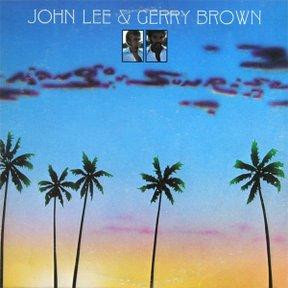

BRAND X Unorthodox Behaviour (1976)
- Robin Lumley / piano, Fender Rhodes electric piano, Moog
- Percy Jones / fretless bass, marimba (5), acoustic bass (7)
- Phil Collins / drums, percussion, tambourine, vibes (2)
With:
- Jack Lancaster / soprano saxophone (7)
1. "Nuclear Burn" (6:20) Percy Jones inimitable fretless bass couples up with Phil Collins' extraordinary jazz drumming and Robin Lumley's tempering Fender Rhodes to lay down the foundations for John Goodsall's explosive John McLaughlin-like guitar shredding. Yet it's Robin's Moog that takes the first official solo--two minutes into the song. Phil takes Robin's fiery solo as a challenge and ups his chops to "duel" Robin before the John returns to recapitulate the main theme. Then things get really crazy as everybody tries sledding down the mountain together, barely keeping their balance and unity. Another main theme repeats before the upper end instruments quiet down so that Percy and Phil can really show their stuff. Amazing! Yes, it's all a show of "We can do Return To Forever, too" machismo, but it works: they do not fail to match all of the fire and skill, top to bottom, and even manage to show a little of their own uniquity along the way. (9.5/10)
2. "Euthanasia Waltz" (5:39) great 12-string acoustic guitar chords open and modulate the song while the dynamics shift according to which instrumentalist they wish to showcase. Percy and Phil impress the most, up front, but underneath it all both John and Robin impress as well. (9.125/10)
3. "Born Ugly" (8:13) a journey into mega-funk with the amazing Percy Jones leading the charge. (We KNOW he can play the funk from his sessions with Brian Eno.) The other boys in the band may just have a touch too much white in them to keep up with the Joneses, but they do put together an impressive and fairly enjoyable song. Robin Lumley's keyboard work is particularly interesting. Also, the in the dreamy middle section is very cool for its latent potentialities--as well as for the awesome Larry Coryell-like guitar shredding that rises out of it. You can certainly get the feeling that the four musicians are definitely putting their all into the creation and performance of this music--and Phil does finally get into his full funkiness with the final third of the song. (13.375/15)
4. "Smacks of Euphoric Hysteria" (4:26) melodically and structurally this one might just be a little too close/imitative of Chick Corea, Stanley Clarke, Lenny White, and Al Di Meola's collaborations, but it stands up well side by side with the band that they are doppelganging. (9/10)
5. "Unorthodox Behaviour" (8:25) using band-mate Bill Bruford's snare sound can be advantageous, thinks Phil Collins, as he and Percy "Alphonso Pastorius" Jones play "straight men" to the quirky idiosyncratic play of the other two (as well as Phil's track on the vibes and Percy's on the marimba). A little too much playful experimentation might be good for practice, but for a studio album we like to have more meat and potatoes. (17.5/20)
6. "Running on Three" (4:37) fast paced with some solid rock forms and styllings (often reminding me of THIN LIZZY with the twin playing of John's guitar and Robin's keyboard). Phil is an animal on this one--making me totally think I'm listening to Lenny White--and Percy gets to run fast melodic à la Doug Rauch, while Robin settles into some excellent Chick Corea-like support work on the Fender as John's guitar plays some awesome Ray Gomez-Doug Rodrigues-like guitar leads. Wow! These guys can play! (9.33333/10)
7. "Touch Wood" (3:03) now for the acoustic side à la "Romantic Warrior": blazing acoustic guitar ceaselessly running, bowed acoustic bass and Danny Thompson-like stand-up with nimble piano riffing and acoustic guitar strumming with a little bit of Jack Lancaster's soprano saxophone before fading out. Interesting! I am most impressed by the instrumental sounds I hear that I rarely ever get to hear from these particular musicians. (8.75/10)
Total Time: 40:43
There is no place for fluff or tame/smooth jazz here as this band launches with every intention of proving themselves to belong in the same conversations with RTF, Mahavishnu Orchestra, Eleventh House, Nucleus, Tony Williams and Billy Cobham. Listening to this album makes one wonder how Percy Jones and Phils Collins aren't in the general discussions of the greatest jazz musicians of their respective instruments.
90.10 on the Fishscales = A-/4.5 stars; a minor masterpiece of imitative high-powered Jazz Rock fusion; definitely an album every prog lover should own.

- Leon "Ndugu" Chancler / drums, tom toms (Remo roto-toms], timbales, vocals (A4, B3)
- Stanley Clarke / bass (B3)
- Mike Sembello / guitar (B3)
B1. "Ómi (Fresh Water)" (4:50) the Brasilian feel is so well presented with such a percussion-heavy palette that it makes me wonder who wasn't playing percussion on the opening of this one! Awesome to hear the composer's trombone playing the lead over the dynamic Latin weave--and to have the wordless vocalese of the female background singers worked into the mix as well. (9/10)
Total Time: 42:16
90.0 on the Fishscales = A-/4.5 stars; an excellent near-masterpiece of funk-filled yet-diverse Jazz-Rock Fusion that bridges the Third Wave of sophisticated Power Fusion with Funk/R&B and Latin-Jazz and Fourth Wave Smooth Jazz. I think George was hoping to launch a few hits.

- Cees See / percussion
- Wim Van Der Beek / percussion
- Henny Vonk / vocals, percussion
- Chris Hinze / composition, piccolo flute, producer, arrangements, flute, alto flute
- Gerry Brown / drums
- John Lee / bass, composition, arrangements, electric bass
- Rob Van De Broeck / electric piano
- Sigi Schwab / guitar, guest, twelve-String guitar, electric guitar
1. "Di-da-de-lu-da" (8:08) Chris must have heard the music and work of Michal Urbaniak and his stunning vocalist wife, Urszula Dudziak, because this song bears a very strong resemblance to the music that these two had been making in Germany before they emigrated to the United States (in September of the very year this album was released). (The Urbaniaks had, in fact, recorded an album at Keytone Studios in this same year.) This is full-pm Jazz-Rock Fusion, noting the fact that not only was Chris paying attention to what was going on in the music world around him, but that he was listening to his collaborators, interested in growing and trying new things, and a very quick study of new styles. The sophistication and maturity of this song when compared to the music on his previous albums is truly remarkable. And John Lee and Gerry Brown and the other jazz-oriented musicians on board must have been very pleased to be "let loose" to play with the reckless abandon that was all the rage in the Jazz-Rock Fusion world. (13.75/15)
2. "Mission Suite" (14:50) very high octane First Wave Jazz-Rock Fusion, at times feeling like an amped up Miles Davis session for Bitches Brew, at others sounding very much like Mwandishi-era Herbie Hancock. Hearing John Lee let loose on his double bass during the middle section is awesome, with the gentle yet-supportive electric piano of Rob Van De Broeck. This is then followed with some unaccompanied solo electric piano. Henny Vonk's haunting Flora Purim-like vocalese returns--as does Gerry Brown's cymbal and light tom-tom play, as Rob Van De Broeck continues putting us to sleep. Chris's flute returns in the fourteenth minute to help take us to the end. I am here reminded of yet another "new direction" Chris has committed to with this album, and that is a more collaborative democratic leadership style. On his previous album releases Chris was almost never not in the lead, used supplemental musicians as mere "atmospheric thickeners" for the support of his flute. Now, this is not my favorite kind of Jazz-Rock Fusion: it's too loose and unstructured, but I commend Chris for his growth. (26.25/30)
3. "Deliverance" (11:20) Jazz-Rock Fusion that seems to be straddling the fence of whether or not it wants to be rock-pop like SANTANA or jazz-rock-classical fusion like Eumir Deodato, Herbie Hancock, or Freddie Hubbard. It gets good in the fifth minute as Chris really gets involved with his spirited flute play. He is really good! And the band rises to the occasion around him--as if inspired by his contagious and almost-reckless enthusiasm. Again I am more reminded of Mwandishi-era Herbie Hancock and friends during this motif. By the end of the eighth minute Gerry, John, and Rob really have the band cruisin' along with the force rivaling anything Chick Corea's RTF ever did--even in their peak Romantic Warrior days. (No wonder Gerry was chosen to take Lenny White's place for the end of the Return To Forever wagon train.) A song that gets better and better the further into the song you go. (18/20)
4. "The Ballad" (3:49) steady piano chord play with bass, drums, electric fuzz guitar, frantic flute and sitar pull off a remarkable little jam. (9/10)
5. "Bamboo Funk" (5:26) a song that starts very delicately--almost like a psychedelic folk song--but then it starts to turn into the real groovin' tune it becomes at the end of the first minute. John Lee's infectious bass play seems to amp everybody up as electric guitar, drums, and electric piano start really giving more in the second and third minutes. At 2:20 Chris enters with his flute--which becomes more and more impassioned as the song progresses--as everyone participating over John Lee and Gerry Brown's passionate play in the rhythm section begins to get infected. Actually, virtually everyone becomes part of the impassioned rhythm section of this great song--including Chris, Henny Vonk, and Sigi Schwab's manic-strumming 12-string acoustic guitar. How fun! What a great send off for both the band members and the album listeners! (9.5/10)
Total Time 43:33
89.80 on the Fishscales = B+/4.5 stars; a near-masterpiece of surprising Jazz-Rock Fusion. I'm inclined to want to bump this up to five stars due to the amazing leap forward Chris has taken and for the high, high quality of compositional daring and performative enthusiasm he created here. Mega kudos, M. Hinze!

THE ELEVENTH HOUSE Introducing The Eleventh House with Larry Coryell (1974)
With 1969's Spaces (released, mysteriously, some 19 months after it was recorded), it felt as if guitarist Larry Coryell might have been a little reluctant to jump fully on board the Power Rock infusion of the Jazz-Rock Fusion movement, but then I'm sure he could see the commercial, critical, and financial success his band mates from that album were having: John McLaughlin and Billy Cobham with the Mahavishnu Orchestra, Miroslav Vitous with Weather Report, and Chick Corea with his Return To Forever project. Tapping into some of his more adventurous New York City-based friends, this was what he came up with. Though recorded in 1973 at Vanguard's 23rd Street Studio in New York City, Larry's loyal label did not release Introducing The Eleventh House with Larry Coryell until February of 1974.
- Larry Coryell / guitar
- Randy Brecker / trumpet
- Mike Mandel / piano, ARP synth
- Danny Trifan / bass
- Alphonse Mouzon / percussion
2. "The Funky Waltz" (5:10) using a "Papa Was a Rolling Stone"-like bass and cymbal foundation the synth, trumpet and electric guitar lines established over the top are nice though the weird "fireworks"-like synth flares are pretty annoying. Larry's mute/wah-affected solos in the second and third minutes have the sound that is similar to that of the pedal steel that I hear from Steely Dan guitarist Jeff "Skunk" Baxter on Can't Buy a Thrill or the horns from the Pretzel Logic album. (8.66667/10)
4. "Adam Smasher" (4:30) A bit of a Steely Dan sound to this one with the funk bass and drums and clavinet. Mike Mandel's Fender Rhodes takes the first solo sounding like the next Bob James generation of the Herbie/Chick sound. Randy's solo is interesting for his virtuosic use of the muting device. Larry's solo is next: he's using a wah-pedal/device that gives another shape and sound to his dextrous guitar play. (It almost sounds like the talkbox tube made famous by Peter Frampton.) (8.875/10)
5. "Joy Ride" (6:08) more laid back music that allows more space for the musicians to be heard and appreciated. During the first two minutes as the band establishes the foundations and framework of the song, Larry's guitar playing sounds almost like he's playing an acoustic: so smooth and fluid. Later he gets more aggressive and fiery in his particular way. The keys are particularly noticeable throughout, feeling something between Herbie Hancock and Bob James. I like the picking up of the pace in the fifth minute for the duelling between Larry and the wah-effected ARP and trumpet. Overall, another song that is perhaps a little too simple in its basic construct: like having white bread when you want wheat or rye. (8.75/10)
6. "Yin" (6:03) more power jazz-rock fusion that seems to be trying to sound like Billy-Cobham led Mahavishnu music. I like Larry's abrasive rhythm guitar while supporting Randy Brecker's great first solo. His solo in the third minute over the high-speed rhythm track below is awesome--as is the hard-driving work of bassist Danny Trifan and drummer Mouzon. Perhaps the best song on the album. Randy, Alphonse, and Danny are extraordinary. (9.75/10)
7. "Theme for a Dream" (3:26) slow and dreamy with a bit of a feel of an interlude song from a Broadway musical. The kind of musical landscape that spawned the Easy Listening and Smooth Jazz genres of music. Larry's muted and effected guitar sounds a lot like the virtuosic background guitar play of Steely Dan's great guitarists like Larry Carlton, Jay Graydon, Dean Parks, Hugh McCracken, and Lee Ritenour. It's pretty! (8.875/10)
8. "Gratitude 'A So Low'" (3:21) a solo electric guitar song from Larry. Not very melodic nor even super impressive! (8.666667/10)
9. "Ism - Ejercicio" (3:59) trying to be heavy and ominous, it's just not working: neither the chord progression, low end, or pacing. The bass-and-drum race of the second minute is an odd and not altogether engaging motif, nor is the next heavy, plodding Mahavishnu-like blues-rock motif over which Randy's muting play solo ensues. Then there is the YES-like motif in the final minute in which Alphonse's drumming sounds out of sync with the others. (8.6666667/10)
10. "Right On Y'All" (4:21) a fairly together fast-driving song with more sounds and stylings that remind me of Steely Dan as well as some annoying cowbell, guitar play, and synth noises. (8.75/10)
Total Time 44:22

A2. "I Won't Be Back" (10:05) the album's first Joe Beck's composition is graced by guest appearances from Herbie Hancock, Don Alias, and Steve Gadd (instead of Jim Madison). The song is built around two different tempos: one that is kind of Latin active and the other, the "chorus," which is "run, it's raining, run." Joe's flute play is lively and upbeat, Herbie's piano even more so--especially in the "chorus" parts--but then sublime in his own solo in the sixth and seventh minute, while Joe's guitar perfectly placed within the rhythm section until his fiery solo in the fourth minute. Meanwhile, bassist Herb Bushler does a rather remarkable job of handling the grounding/driving duties above Steve's persuasive drums. Quite a lively song--especially with those two sides of the face playing off each other every 30-seconds or so. I have to give this one pretty high marks--and not just for its imaginative form and flow but for the very high quality of everyone's performance and the solid gelling that they do to come together as a cohesive band from start to finish. (18.25/20)
B2. "Seven Seas" (6:50) Joe's other contribution to the album is a purely-blues-rock composition--one that feels as if it could have come off of any blues or blues-rock 'n' roll album from the period (I don't know why but Alvin Lee comes to mind). The solos are traded around with James Brown-like riffs, flourishes, and gimmicks scattered here and there throughout the song as bridges. It's solid and lively but blues and blues-rock are definitely not my preferred musical listening styles. (13.5/15)
Total Time: 36:49
89.667 on the Fishscales = B+/4.5 stars; a near-masterpiece and excellent display of high-quality Third Wave Jazz-Rock Fusion.


Line-up / Musicians:
- Esteve Fortuny / electric & Spanish guitars
- Jordi Soley / piano, Fender Rhodes, Moog
- Joan Fortuny / soprano saxophone
- Carles Vidal / bass
- Josep Fortuny / drums, percussion
1. "Fesomies Urbanes" (5:26) awesomely rich Jazz-Rock Fusion of the funk-infused sort; a cross between Headhunters-era Herbie Hancock and Return To Forever. I love the support of the too-heavily-reverbed soprano saxophone by the electric wah-wah rhythm guitar and Fender Rhodes keyboard (they almost bury the sax!). Jordi Soley's Moog sound choice and play is very fresh/refreshing as well. Bass player Carles Vidal is solid though a bit too muted while drummer Josep Foruny is great in his pacing and support. (9/10)
2. "Lila" (4:17) water sounds beneath a soloing Spanish guitar open this one for about 40-seconds before bass, Fender Rhodes, and soprano sax join in with some very nice harmonic support. But it's the guitar that's the center and star of this show: displaying some pretty amazing skills in a kind of unique style along the way. The sax and Fender get some solo time in the third and fourth minutes, but, again, it's really Esteve Foruny's show on his Spanish guitar. (9/10)
3. "Capità Trueno" (10:16) back to RTF style and sound palette, though this time the guitar has a bit more Johnny Mac style to it--and the soprano sax certainly flavors the music differently than anything contemporary MO or RTF are doing. On this song the bass, electric guitar, and Fender Rhodes are mixed as if in the same universe while the sax and drums feel as if they're on different continents: the former a small church and the latter a distant tunnel of an underground cave system. Though all the musicians are competent at their instruments--and perform proving such--they really do not seem to always be "in the same song," that is, there's just a little too much separation and distance between the melodies and rhythms to make me feel a cohesive unity for this composition. Is it more mathematical--or more independent "free jazz" they're trying to merge within the RTF style? At 6:55 there is an interesting--and pleasant--shift in tempo and key which allows the sax a better bed over which to lay down his next solo. This is the first time in this song that I've felt as if the band had "come together" with a common vision for the song. The sax player is good--expressive and talented--but that weird, overly-reverbed sound is quite annoying. (17.5/20)
4. "Lalila" (1:16) more acoustic guitar play: either two or just one with a long-delayed echo effect employed. At the 0:45 mark Joan Fortuny enters with her soprano sax and then the song fades out! (4.25/5)
5. "Eufòria" (4:24) again the band seems to be trying to emulate the Return To Forever formula with guitar, drums, and bass propelling the song along while keyboards and sax add their own spices. At the same time, it's guitarist Esteve Fortuny who takes the first (and, it turns out, only) solo--one that is quite like Larry Coryell (in sound) and/or Corrado Restuci (in style) more than J. McLaughlin or Al Di. (8.75/10)
6. "L'harmoniosa Simfonia D'un Cos. Part 1" (4:17) opening with percussion bells and saxophone with spacious Fender Rhodes, bass, and guitar chords providing some accompaniment and mood-manipulation beneath. This one really sounds like the music that will represent the band NOVA either during the same year or just after this release. Unfortunately, despite the nice sound base, it never really develops much or takes off until "part 2." (8.875/10)
7. "L'harmoniosa Simfonia D'un Cos. Part 2" (3:39) the rhythm is added so that the song can move forward. It's a nice, city driving pace but it is highlighted by the top being down so the listeners can enjoy the sun, wind, and exo-urban scenery. Here all of the instruments seem to be in perfect synchrony while still supporting the soloing of Joan Fortuny's soprano sax. (9.125/10)
8. "El "bailaor" Còsmic" (4:22) a slow, spacey opening like something from a Larry Coryell album turns into a nice movin' bass-and-drum generated J-R F flight over which keyboard artist Jordi Soley gets a chance to show his stuff on his Fender Rhodes, that is, before guitarist Esteve Fortuny jumps in and takes over with his rather aggressive electric jazz guitar play. I like the more Latin (Catalàn?) rhythmic touches in the foundation. I also like the band's tightness on this one. (9/10)
9. "Tema Dels Carrers Radioactius" (1:50) another shaker and mover that shows the band firing on all cylinders--with fairly good precision timing, too. Too bad it's so brief. (4.5/5)
Total time 39:47

- George Duke / keyboards, ARP Odyssey synth vocals (2,9)
With:
- John Heard / double bass
- Leon "Ndugu" Chancler / drums
2. "Capricorn" (5:06) bluesy like a slavery field work song. I can feel the deep emotions being released. (8.875/10)
3. "Piano Solo No 1+2" (2:21) not really the piano I was expecting: a strangely electrified piano and … piano? Nice music. Part two is definitely different and yet clearly a continuation of the same sound(s). (4.33333/5)
4. "Psychosomatic Dung" (5:03) funky schlock that will become all the rage within the next three years minus all the dynamics from the rhythm section. Ndugu gets some shine in the fourth minute before George lets loose on the wah-wah clavinet and Fender Rhodes. (8.75/10)
5. "Faces In Reflection No.1" (Instrumental) (3:37) nice foundation with some excellent soloing and sound use but lacking fullness and development. (Perhaps George should've had one more collaborator). Probably one of my top three songs. (8.875/10)
6. "Maria Tres Filhos" (5:09) this one not only sounds like a Chick Corea song, it may be! (It isn't: it's written by the great Brazilian songwriter Milton Nacimento.) Nice percussive work throughout from Ndugu but even more so during his extended solo in the fourth minute. (8.75/10)
7. "North Beach" (6:26) a long keyboard solo that sounds like wah-pedal rhythm guitar play and a bunch of sound effects. It's actually kind of cool. (8.875/10)
8. "Da Somba" (6:18) a song that races along on the power of the collective energy of all three highly-attuned musicians. John Heard's extended bass solo pales when compared to other contemporary bass players like Stanley Clarke, Buster Williams, Ron Carter, or Eddie Gomez. (8.75/10)
9. "Faces In Reflection No.2" (Vocal) (2:19) a final vocal supporting song--the tension here is quite cool--making the listener crave for more. My favorite piece on the album. (5/5)
Total time 39:37


